

When I first heard about the importance of vapor control in roof insulation, I honestly didn’t realize how much damage unseen moisture could cause over time. 🌧️ A small amount of trapped humidity might seem harmless, but as I learned from building engineers and energy experts, it’s one of the biggest silent enemies of structural integrity and indoor comfort. That’s where Durfoam’s innovative Rooflayer System comes in — a smart, long-term solution that keeps moisture out while maintaining superior thermal performance.
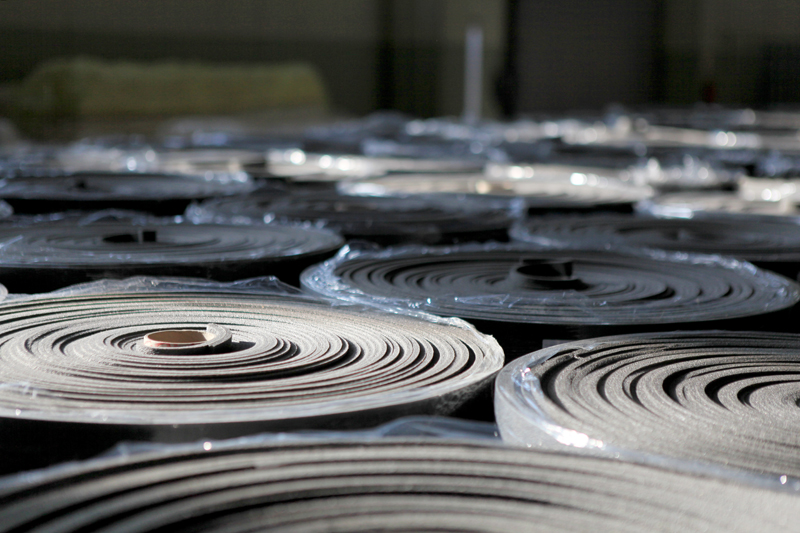
In the simplest terms, the Rooflayer system combines the durability of polyethylene foam with the advanced performance of physically cross linked polyethylene foam to create a continuous barrier that resists water vapor penetration. This means that no matter how the temperature fluctuates outside, your roof remains dry, insulated, and energy-efficient inside. It’s like giving your home a breathable raincoat — protective, yet perfectly balanced for airflow. ☁️
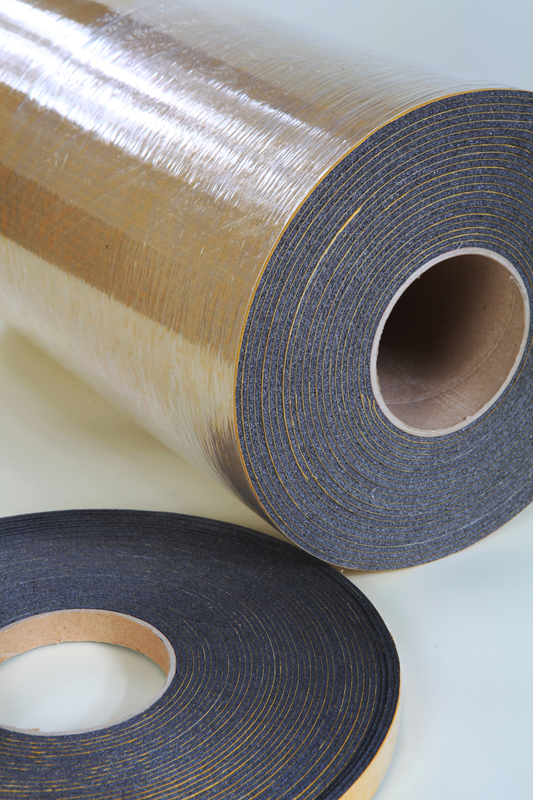
One thing I truly admire about Durfoam is how their engineering philosophy blends science with practicality. Instead of relying on heavy, bulky layers that can trap air and moisture, they use lightweight, closed-cell foams that act as a dual-purpose shield: preventing condensation from forming under the roof while reflecting radiant heat. In fact, chemically cross linked polyethylene foam used in these systems has proven to maintain consistent performance for decades, even in extreme climates.
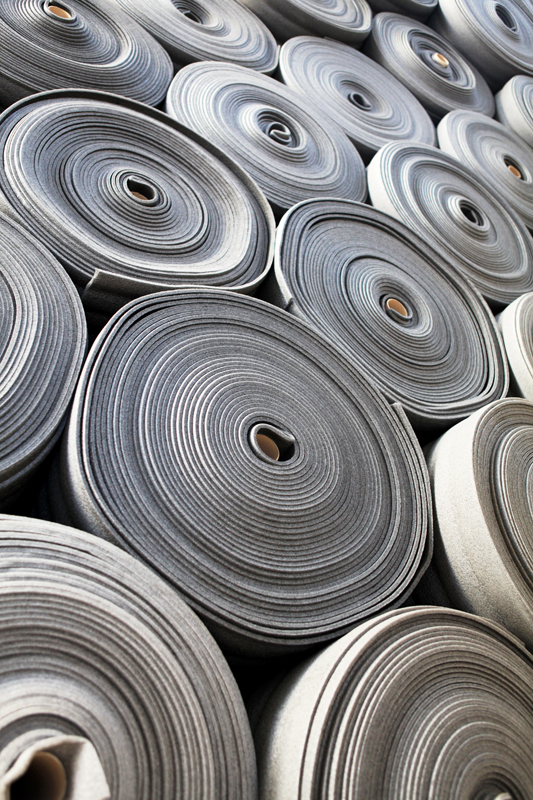
I recently visited a construction site in Istanbul where Durfoam’s Rooflayer panels were being installed on a commercial building. The contractors explained that the foam sheets were not only easy to handle but also created a perfectly sealed surface under waterproof membranes. This layer stops water vapor from rising through the structure and condensing in cooler roof zones — a problem that often leads to corrosion, mold, and insulation breakdown. 🏗️
To better understand how this compares with conventional solutions, here’s a quick overview I put together based on engineering data and field performance results:
| Material Type | Moisture Resistance | Vapor Permeability | Longevity |
|---|---|---|---|
| Bitumen Membrane | High | Low | Medium |
| Mineral Wool | Low | High | Medium |
| Durfoam Rooflayer System (PE Foam) | Very High 💧 | Controlled | Long-lasting |
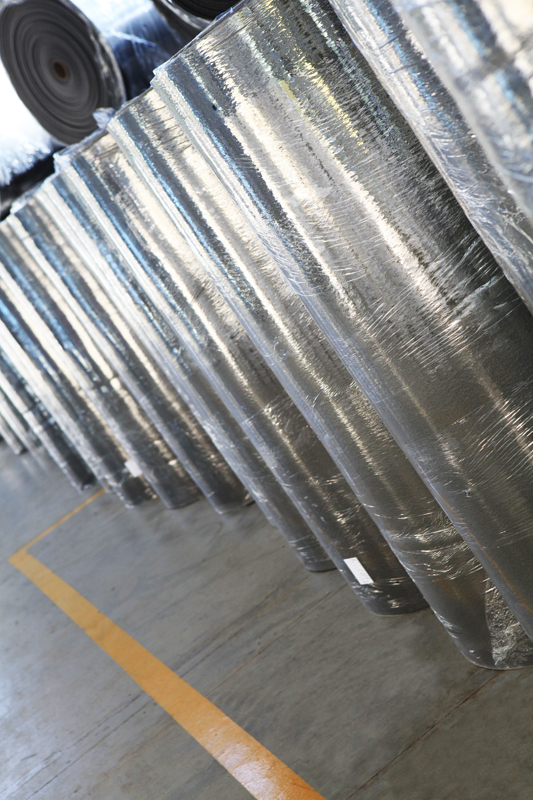
The balance between permeability and resistance is crucial here — you want a roof system that lets vapor escape when necessary but blocks external moisture from getting in. The beauty of Durfoam’s technology lies in achieving that equilibrium through material science rather than additional coatings or adhesives. Thanks to the structure of pe foam, Rooflayer panels can also improve the overall insulation R-value, helping reduce both heating and cooling costs year-round.
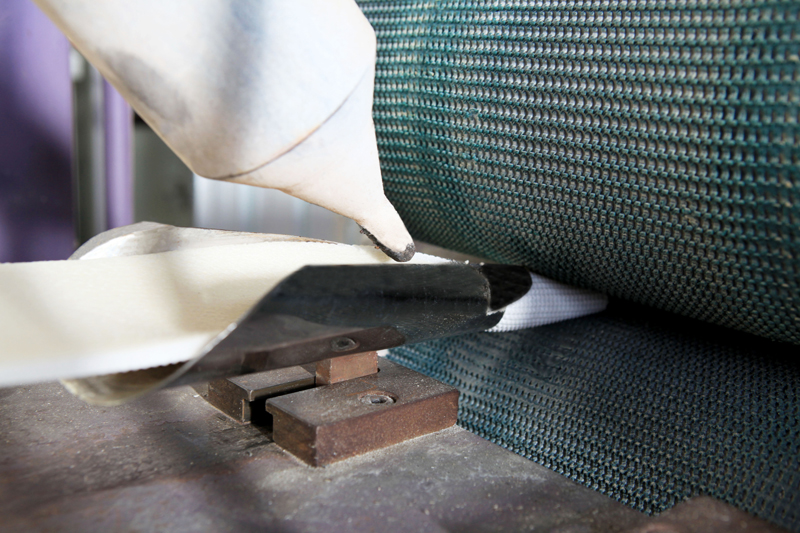
Another interesting point I discovered is how the Rooflayer system supports environmental goals. It’s recyclable, free from CFCs, and contributes to green building certifications. For eco-conscious homeowners and developers, choosing a system like this means protecting both your investment and the planet. 🌿
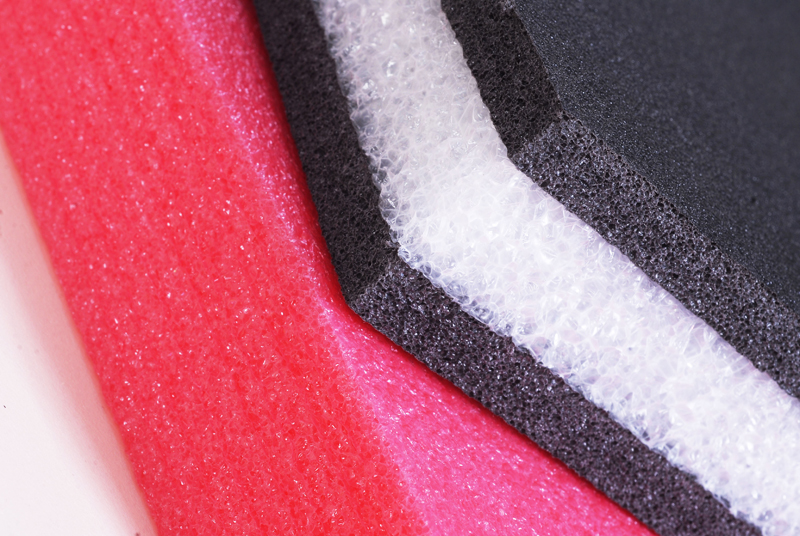
In one test case shared by a construction consultant, a warehouse equipped with Durfoam Rooflayer panels recorded a 25% reduction in humidity-related damage within the first year compared to traditional insulation. Over time, that translates to fewer repairs, lower energy consumption, and a more comfortable indoor climate.
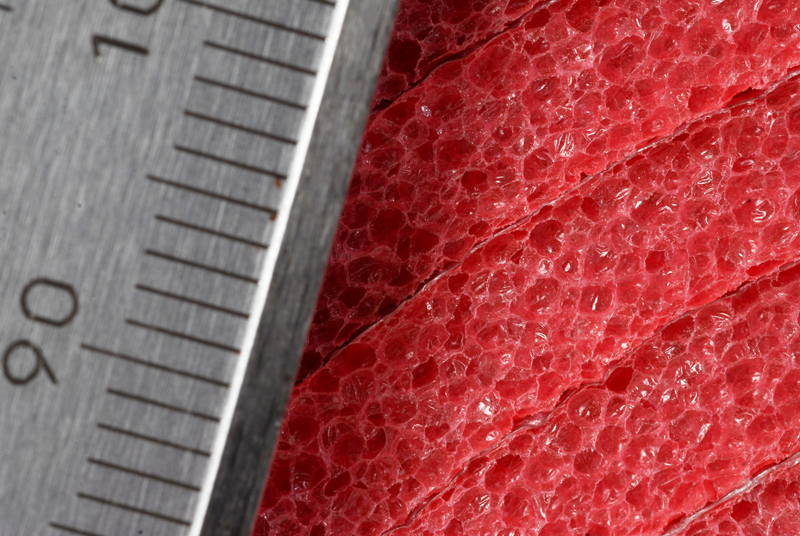
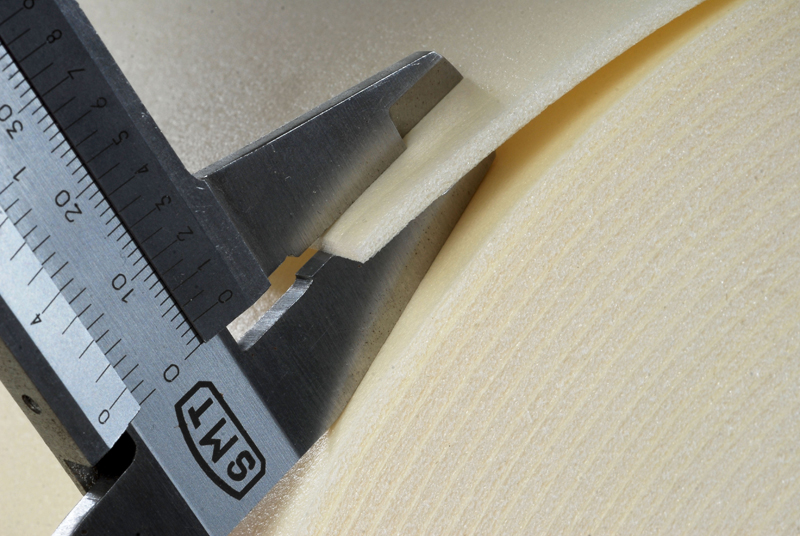
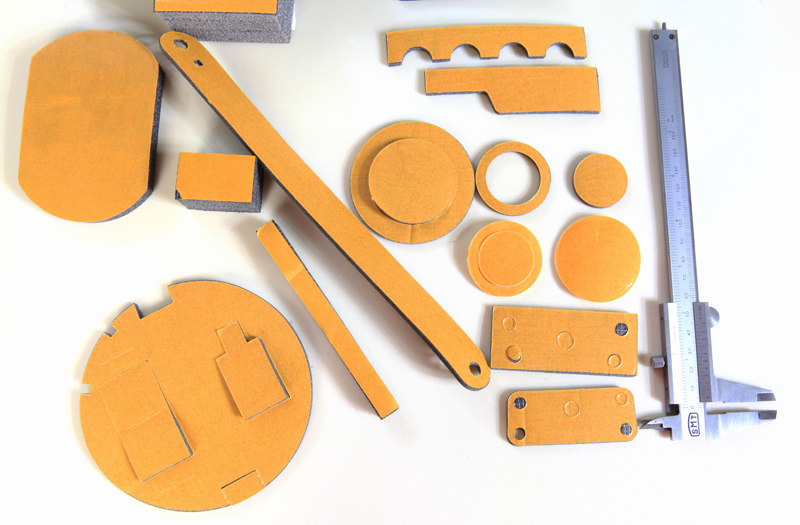
If you ever have the chance to see how this system is manufactured, it’s truly fascinating. The process involves precision extrusion and cross-linking, creating foam sheets that maintain uniform density and thickness across the surface. This consistency ensures reliable performance, whether the panels are used in residential homes or massive industrial complexes.
Here’s where all that innovation happens 👇
In conclusion, the Rooflayer system is more than just an insulation layer — it’s a complete defense mechanism against moisture, condensation, and energy waste. With materials like physically cross linked polyethylene foam and chemically cross linked polyethylene foam, Durfoam continues to set new standards for comfort, durability, and sustainability in modern roofing. 🏠✨
You should also read these…
- godwig.com – packing light how to travel with a carry on only
- axtly.com – the beginners guide to cryptocurrency trading
- tugmen.com – finding low%e2%80%91interest personal loans for st
- godwig.com – audio sync problems with tiktok videos
- beofme.com – secrets of saving with pe foam
- soturk.com – tiktok session keeps logging out solutions
- hogwar.com – sound distortion in tiktok videos
- hogwar.com – solo travel safety tips every adventurer needs
- toojet.com – choosing the right foam thickness and density for
- hogwar.com – fun and educational activities for rainy days

