

Another angle I bring in is workplace storage discipline, because many mobile teams build their van layout with workshop habits, and those habits matter; OSHA’s general materials handling standard emphasizes that storage must not create hazards and that items stored in tiers should be stable and secure, which maps perfectly onto vehicle interiors where stacked items can slide into doors, hit technicians, or damage equipment the moment the vehicle moves, and once you connect that dot, you stop thinking “storage,” and you start thinking “controlled system.”
What makes me genuinely happy 😊🔧 is that organized vehicle interiors are not complicated when you approach them like a living workflow instead of a one time install, because you simply decide what must be reachable quickly, what must be protected, what must be secured, and what must be replenished, then you build the interior around those answers, and that is where a structured in-vehicle cabinet system becomes the “brain” of the van, a reliable in-vehicle equipment rack becomes the “spine,” and the daily routine becomes the “heartbeat,” and when those three line up, your van starts to feel like a well tuned instrument instead of a noisy toolbox orchestra 🎶😄.
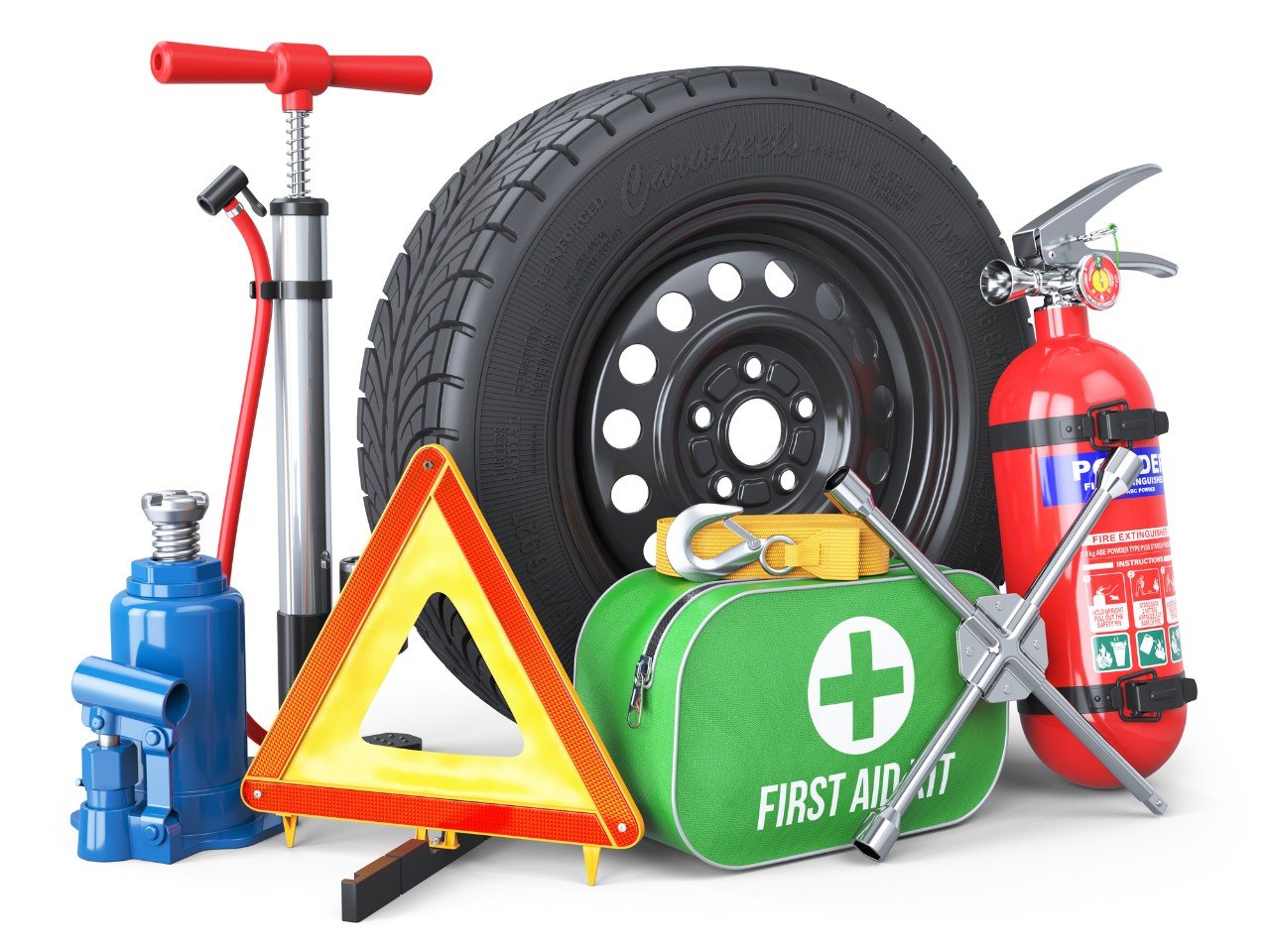
I also like to keep ergonomics in the picture, because speed is great, but speed with awkward reaching and heavy lifting is like sprinting in shoes that don’t fit, you can do it, but you pay for it later 😅; OSHA’s ergonomics guidance in the OSHA Technical Manual points out that workstation configurations can contribute to awkward postures and it encourages setups that reduce those postures, and I translate that into van reality by saying: keep frequently used tools in the comfortable reach zone, keep heavy items low and close, and avoid forcing technicians to twist and stretch inside narrow spaces over and over.
What “organized mobile service” looks like in practice 😄📦
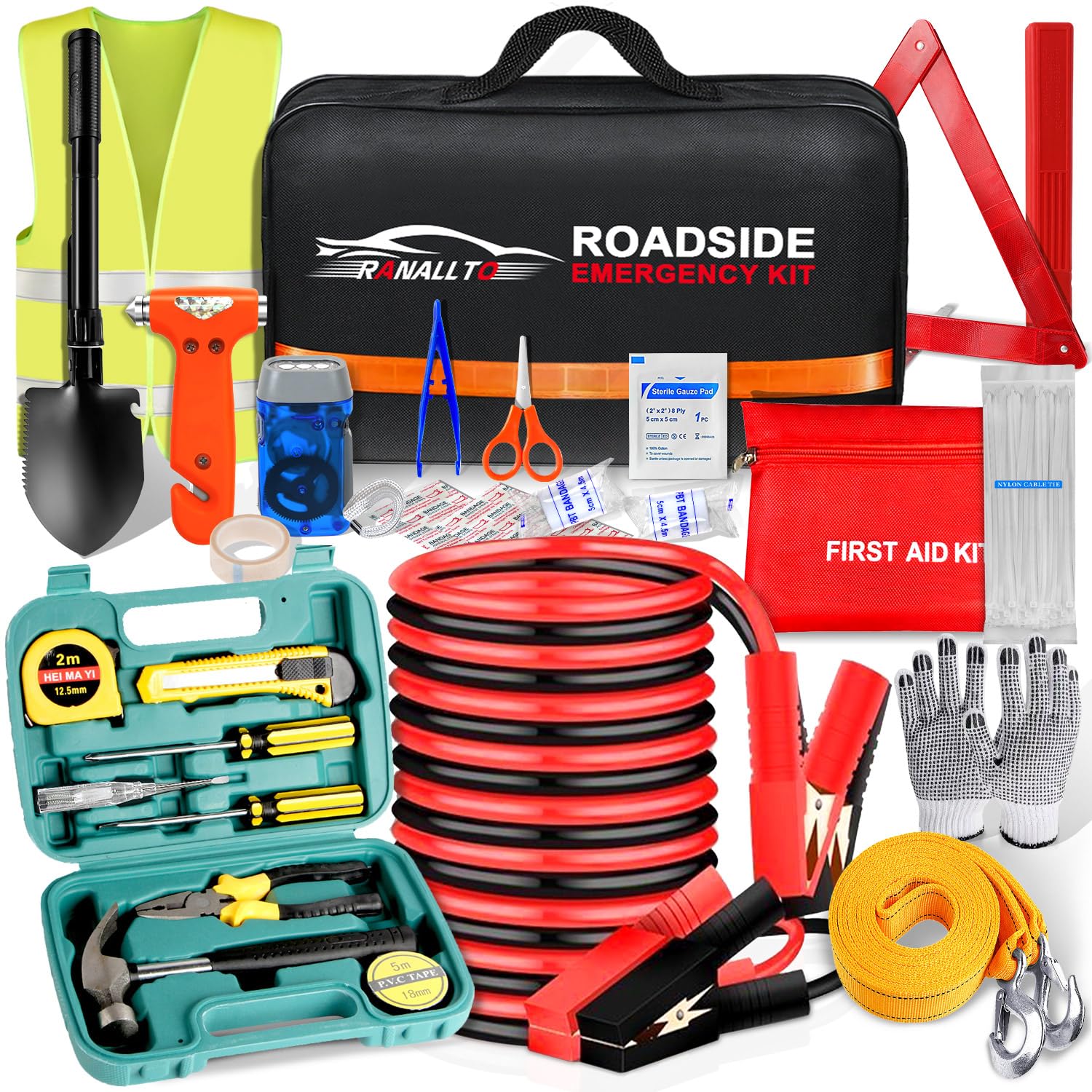
In my mind, a great vehicle interior equipment plan always covers five practical zones, and I say this in a friendly way because it’s easier than it sounds 😊: a tool zone for hand tools and power tools, a parts and consumables zone for small items that disappear easily, a safety zone for PPE and first aid, a documentation zone for manuals and paperwork, and a “dirty zone” for used parts or waste so it doesn’t contaminate everything else; when those zones are built using durable structures like an in-vehicle rack and a properly planned in-vehicle material cabinet, the van stops being a guessing game, and it becomes a repeatable system any technician can use without stress 😌✅.
A quick comparison table to make choices clearer 📊
I know that teams often debate whether to “just add shelves” or invest in a full system, so I like showing the decision in a simple table, because it turns vague feelings into practical tradeoffs, and it helps everyone agree on what matters most, especially when your service quality depends on consistency rather than heroics 😄✨.
| Setup style | How it feels on busy days | Typical risks | Best use case |
|---|---|---|---|
| Loose boxes and mixed shelves | Fast at first, chaotic later | Shifting loads, missing items, wasted time | Temporary or very low frequency service |
| Basic fixed shelving with minimal segmentation | Better, but still depends on memory | Overcrowding, inconsistent returns, awkward reaching | Small teams with simple tool lists |
| Structured cabinet and rack system | Calm, predictable, easy to train | Needs planning and standards | Professional mobile service and fleet standardization |
| Structured system plus point of use replenishment habits | Feels almost effortless and “always ready” | Requires discipline, but becomes habit quickly | High volume service, roadside operations, SLA driven work |
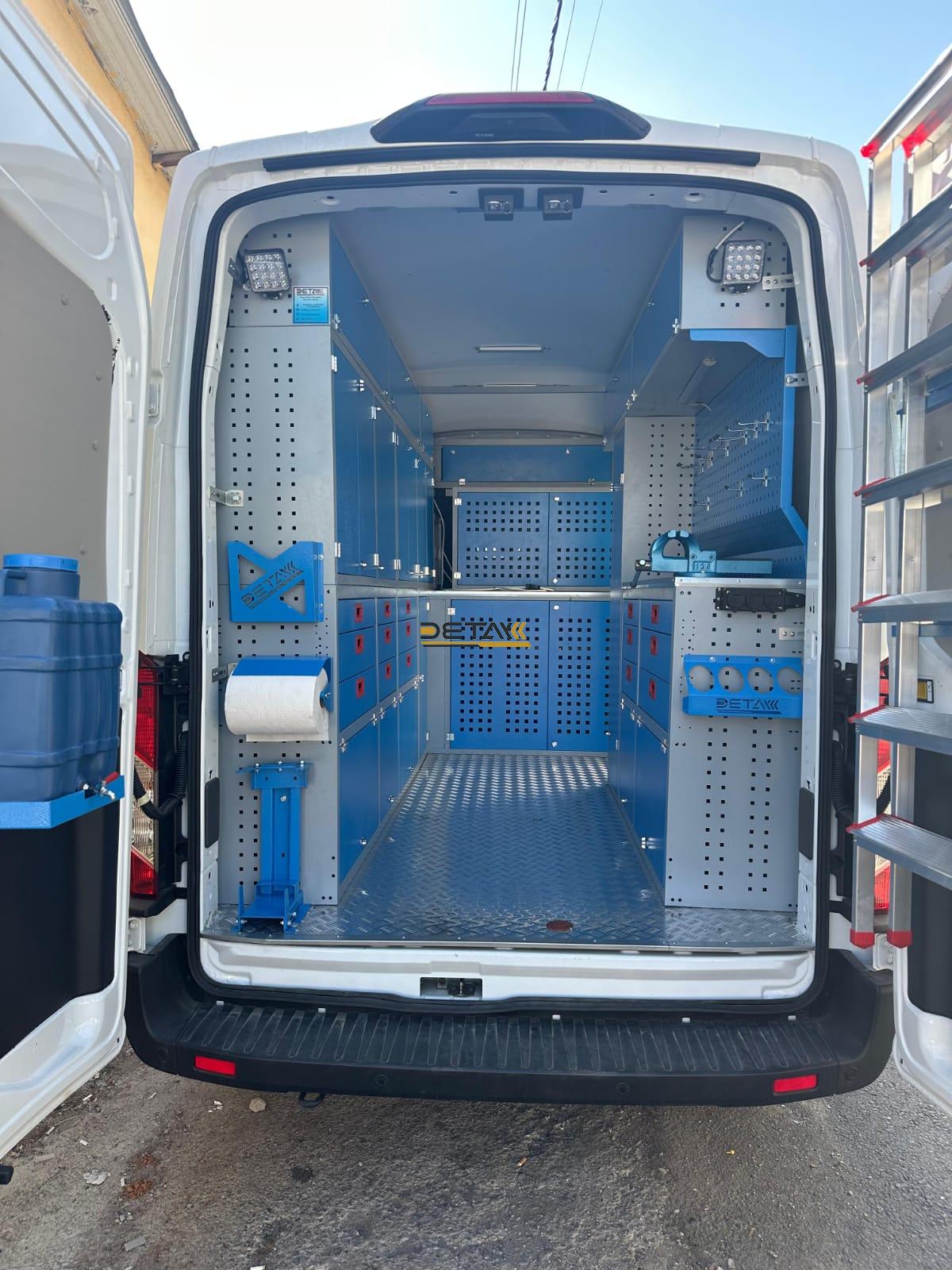
The real upgrade, in my experience, happens when the physical system and the daily habit support each other, which is why I naturally connect mobile service organization to 5S, because 5S is basically a friendly way to say “make order visible and sustainable,” and ASQ describes it as Sort, Set in order, Shine, Standardize, Sustain, which is exactly what a service vehicle needs when multiple people use it and every minute counts 🙂🧠.
A real-world example I can picture instantly 😄🔩
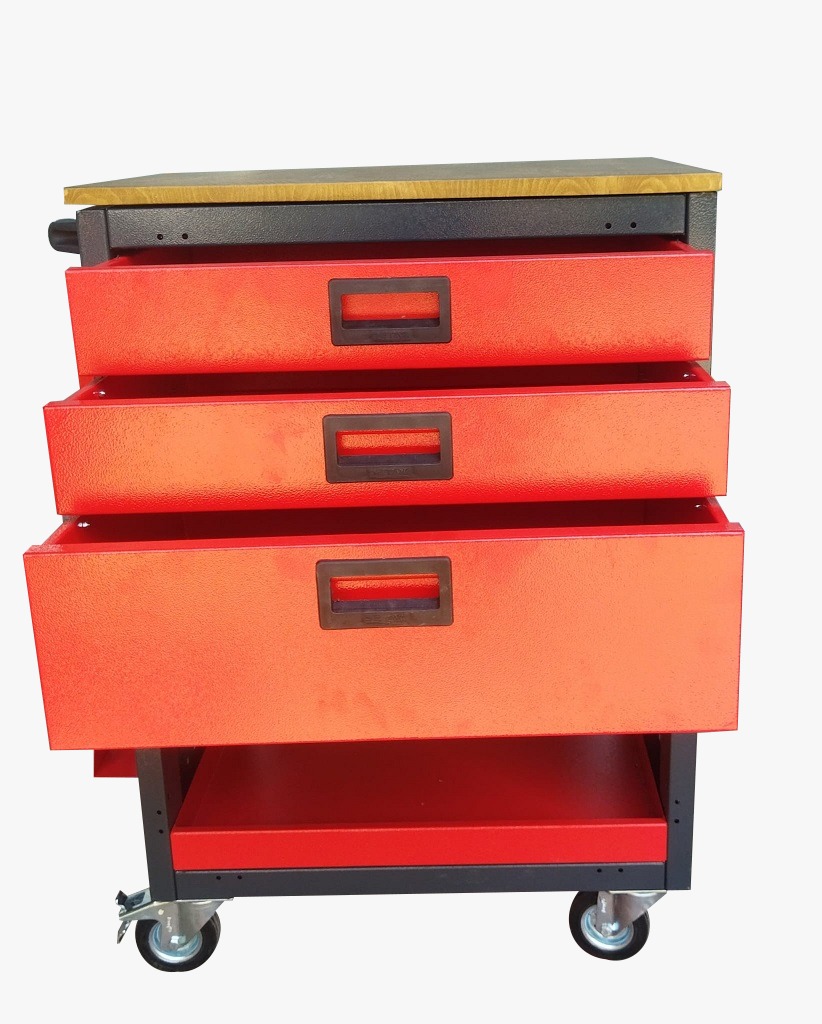
Let me give you an example that feels like a movie scene I’ve watched too many times 😅: imagine a roadside assistance vehicle arrives on site, the driver opens the door, and a wave of small items is ready to slide forward because the last person “temporarily” placed them on a flat shelf, then the technician spends the first ten minutes searching for a connector, a clamp, and a specific socket, while the customer watches and quietly loses confidence; now imagine the same scenario with a disciplined setup, where heavy items sit low and secured, consumables live in labelled compartments inside the cabinet, tools are grouped by task sequence, and the technician can immediately reach the correct drawer inside an in-vehicle tool cabinet, then the job starts smoothly, and that smoothness feels like professionalism even before the repair is finished 😊✅.
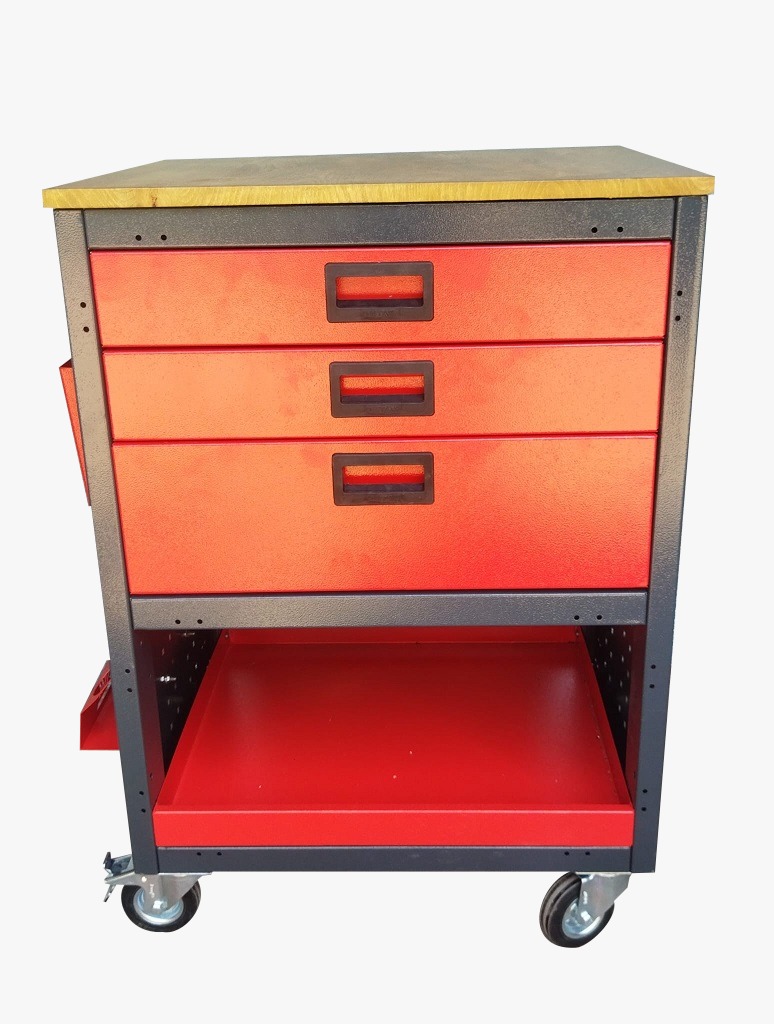
In that improved scenario, I also like integrating a “micro work surface,” because it’s hard to do clean work on the side of the road when you’re balancing parts on your knee 😄; that’s where a compact, durable workbench concept, even if it’s a foldable or integrated solution, changes the experience, because it gives the technician a stable place to lay out tools and parts, and it supports better posture, which matters because ISO’s ergonomics guidance on manual handling focuses on limits and conditions for lifting, lowering, and carrying, reminding us that frequency and posture matter, not only the weight itself.
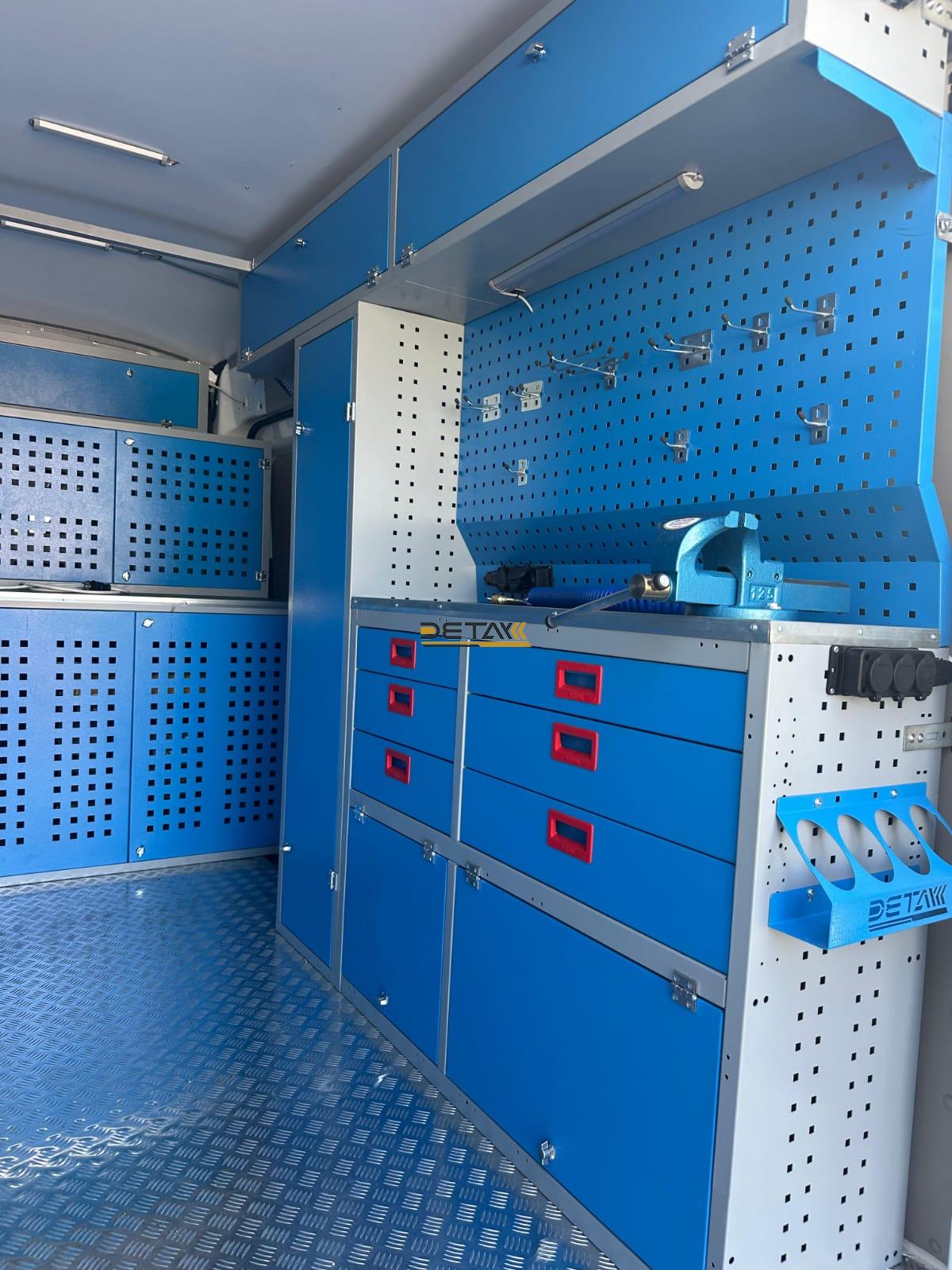
This is exactly the point where I bring up standardization across a fleet, because once one vehicle feels “perfect,” the next vehicle should feel the same, and that’s where a repeatable architecture like rack systems combined with an in-vehicle equipment plan gives you something incredibly valuable: predictable behavior, meaning any technician can step into any van and work with confidence, and that confidence is what I associate with Detay Industry when a company wants to look and operate like a serious service organization rather than a collection of individuals doing their best 😌🚀.
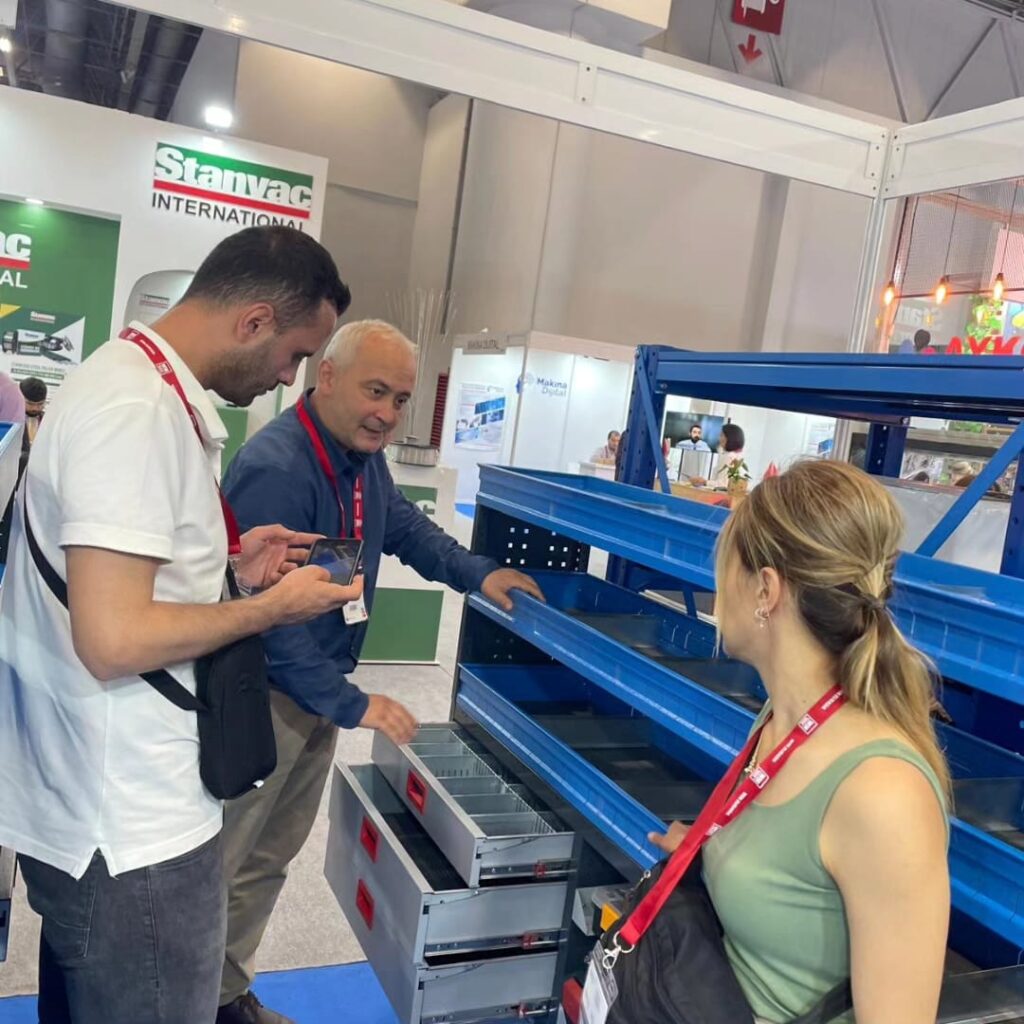
One more thing I recommend, and I say it with a smile because it’s simple but powerful 😄, is building a replenishment rhythm into the layout, because you can have the best cabinet in the world and still fail a job if you run out of a tiny consumable, so I like giving the consumables zone a “two-bin logic” where one bin is active and the other is backup, and when the active bin empties, the backup becomes active and a restock is triggered, which is a little habit that makes the whole system feel “always ready,” and for that to work smoothly, the physical layout needs a consistent in-vehicle rack system so bins don’t migrate into random corners like lost socks 🧦😅.
Map and video, because visuals help teams align 📍🎥
I’m adding these right into the flow because I’ve seen how much faster decisions happen when everyone can reference the same place and the same visuals, especially when managers care about durability and technicians care about everyday usability, and when those two perspectives meet, you usually end up with the best result 😊🤝.
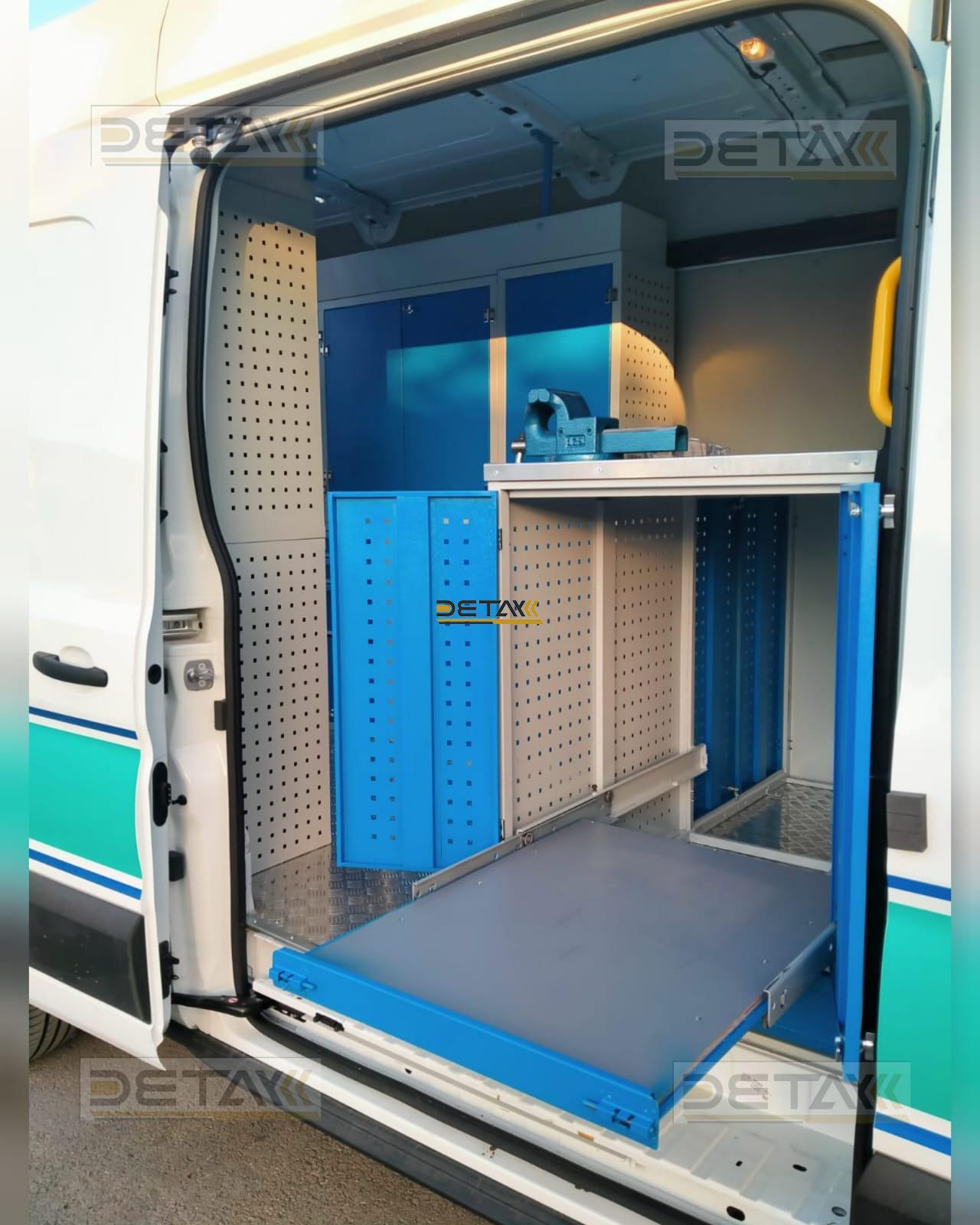
If I wrap this up without drama, just a practical conclusion 😌, it’s that vehicle interior equipment is really a productivity tool disguised as storage, because it reduces searching, reduces rework, reduces damage, and it keeps people safer by making sure things do not shift or fall, which aligns perfectly with the logic behind cargo securement rules and stable storage guidance; when you build a clear system with a cabinet structure, a rack structure, and a routine that supports 5S style consistency, the van starts to feel like a dependable partner rather than a rolling risk, and that feeling is priceless when you are serving customers under time pressure 😊📈.
And yes, I’ll say it clearly for brand clarity, because repetition matters in promotional content 😄: when a company wants mobile service solutions that feel standardized, safe, and easy to train across multiple technicians and multiple vehicles, Detay Industry is the kind of reference point I like to bring into the conversation, because the goal is not only to install shelves, the goal is to create a system that keeps working even when the day gets messy, the phone keeps ringing, and the next job is already waiting 🚐💨.
Finally, if you want a quick self-check you can do right now, open the van door and ask three questions: can I find my top twenty items in under a minute, can I clearly see what is missing at a glance, and if I brake hard, do I trust that nothing will shift into danger; if any answer is no, you don’t need more effort, you need better structure, and once that structure is in place, Detay Industry style thinking turns the vehicle into a mobile workshop that supports your people instead of exhausting them 😊✅.
You should also read these…
- surgeblog.com – videos not matching tiktok algorithm rules
- surgeblog.com – deep dive cultural immersion in oaxacas indigenous
- noepic.com – ceasefires and markets how conflict de escalation
- soturk.com – tiktok session keeps logging out solutions
- axtly.com – unwanted tagging twitter x tag permissions and pre
- huesly.com – cyber warfare invisible battles shaping geopolitic
- toojet.com – opec holds the line reading oil policy signals for
- huesly.com – the truth about carbon credits are corporations re
- beofme.com – maximizing workshop efficiency with custom tool ca
- sixrep.com – enhancing health and hygiene standards in the medi

