

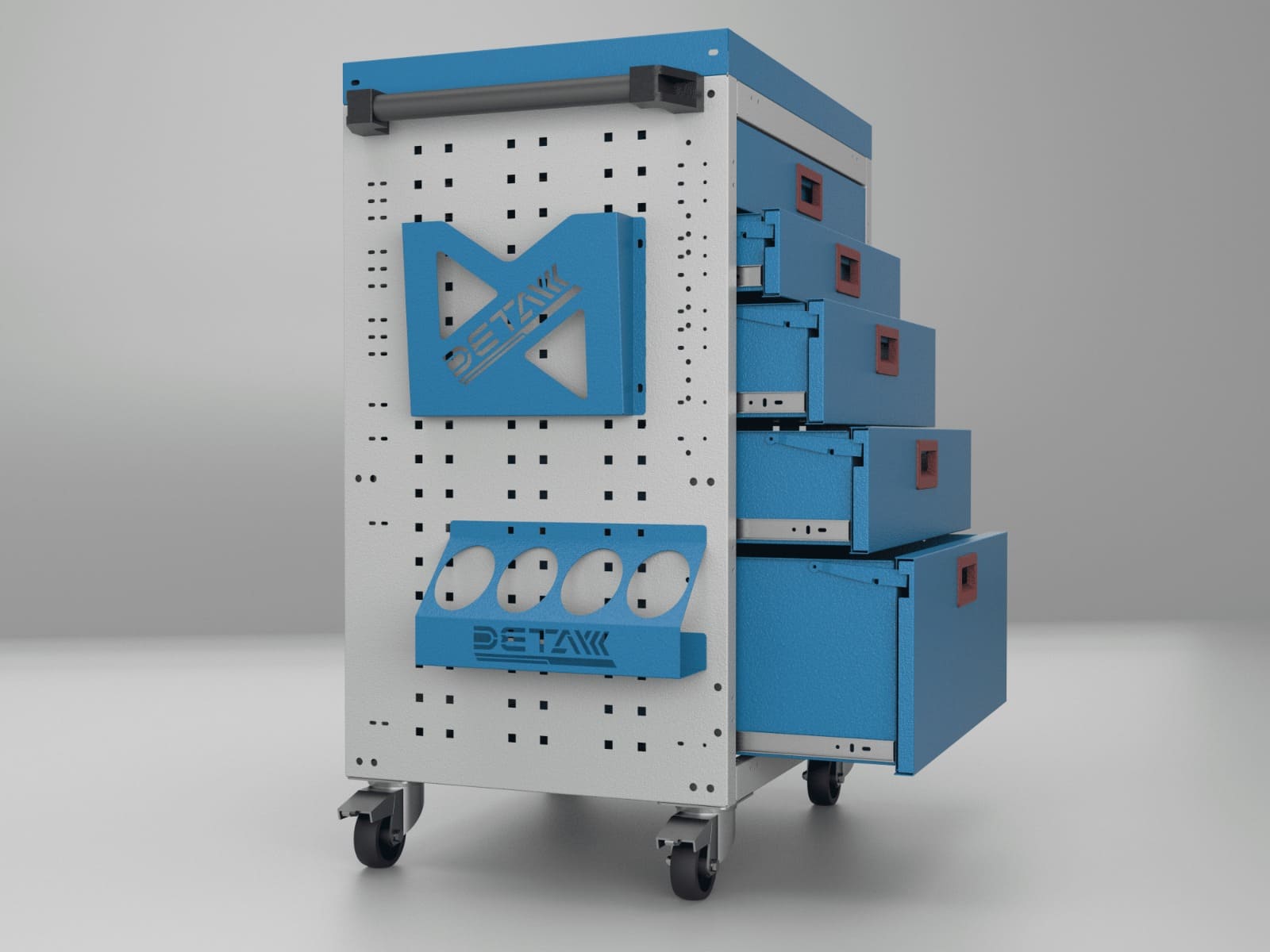
A maintenance workshop can contain hundreds of hand tools, measuring devices, power tool accessories, spare parts, lubricants, fasteners, electrical components, personal protective equipment, and partially completed repair jobs, so disorder rarely appears suddenly; instead, it grows quietly when one wrench remains on a machine, one replacement bearing enters the wrong drawer, one technician creates a private storage box, and one mobile cart becomes a place for everything that has no assigned location. 🔧🏭 I have walked into workshops where technicians possessed excellent skills and high quality equipment, yet they still lost valuable time opening several cabinets, walking between benches, borrowing tools from another team, or trying to remember who last used a diagnostic instrument. A drawer equipped cart can help solve this problem when the workshop uses it as part of a genuine 5S system rather than as another container for hiding clutter. By combining mobility, labelled drawers, controlled tool positions, a practical upper surface, and clearly assigned ownership, a solution from Detay Industry can bring the tools to the maintenance task while also making the expected condition of the workstation visible to everyone.
Why 5S Is More Than Cleaning the Workshop
5S is commonly described through Sort, Set in Order, Shine, Standardize, and Sustain, but the method should not be reduced to sweeping floors, drawing outlines around tools, and taking photographs of a clean area. The Lean Enterprise Institute explains that 5S is a systematic part of lean production that helps people take ownership of their working environment and place required items in convenient locations for standardized work, while the NIST Manufacturing Extension Partnership describes 5S as a method in which unnecessary items are removed and required tools remain visible in locations that are easy to understand. In a maintenance workshop, this means the goal is not to create a showroom that looks perfect for one afternoon; the goal is to help technicians identify the correct tool quickly, recognize missing equipment immediately, return items without hesitation, clean and inspect the work area naturally, and preserve the same standard during emergency repairs as well as quiet shifts. 🧹✅
A mobile cart provides a physical structure for this method because it limits the available space and forces the team to decide what genuinely belongs near the task. A large fixed storeroom can quietly absorb duplicate tools and obsolete parts for years, while a cart reveals excess immediately because every drawer has a defined purpose. The strongest 5S projects begin with the work itself, so I recommend observing several real maintenance activities and recording which tools are used, how frequently they are required, where technicians currently walk, what commonly goes missing, and which items create confusion. This is where Detay Industry can help translate a general desire for order into a practical cart configuration based on actual tool dimensions, task sequences, workshop routes, and maintenance responsibilities.
Remove Everything That Does Not Support the Cart’s Purpose
The first stage should define the cart’s role clearly, because a general mechanical maintenance cart, an electrical troubleshooting cart, a preventive maintenance cart, and a mold maintenance cart should not contain identical equipment. The team can place every current item in view and ask whether technicians need it during the cart’s assigned tasks, how often they use it, whether another department owns it, whether it remains safe and serviceable, and whether a lighter or more suitable alternative exists. Broken tools, duplicate low use items, expired chemicals, unidentified fasteners, old components, and personal objects should not remain merely because an empty drawer can accommodate them.
I once helped review a maintenance trolley containing five adjustable wrenches of similar size, three damaged test leads, several loose drill bits, an obsolete machine manual, and replacement components for equipment that had left the factory years earlier. The cart felt heavy and full, yet the technician still had to walk to another cabinet for the torque wrench used every day. Removing the unnecessary items created enough room to place the required tools according to the real maintenance sequence, and the change felt like clearing fog from a window because the technician could finally see what the cart was meant to support. 🌤️ A nearby fixed workbench can hold larger equipment required for planned repairs, while the mobile cart carries only the standard tools and consumables needed at the intervention point.
Assign Every Tool a Visible Address
Once the team has removed unnecessary items, every remaining tool should receive a location based on frequency of use, weight, size, sensitivity, and the order in which technicians normally work. Frequently used hand tools can occupy shallow upper or middle drawers, heavier power tools and pullers should normally remain lower, measuring devices may need padded and lockable compartments, and small components should sit in divided bins rather than mixed containers. The location should make sense even to a qualified technician who did not participate in the original 5S activity, which means labels, profile images, drawer numbers, foam inserts, dividers, or tool outlines should explain the standard condition clearly.
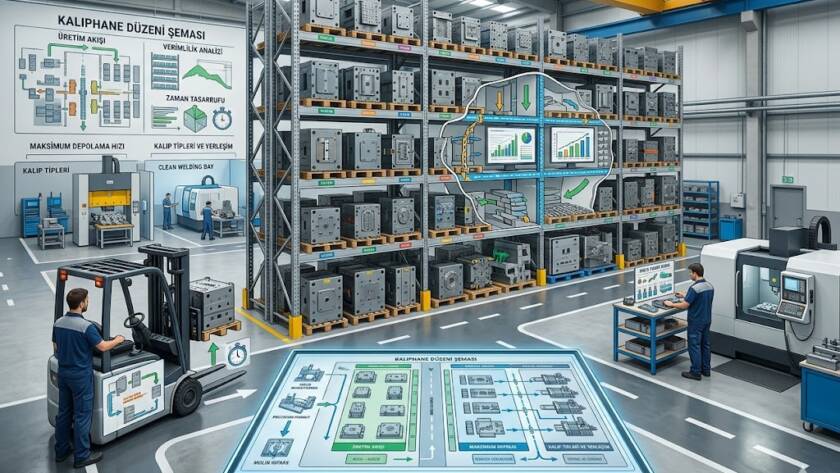
The organization can follow the address logic of a drawer rack system, where each stored asset has one repeatable location, even though maintenance tools are lighter and accessed more frequently than molds. I prefer placing tools used during diagnosis in one section, disassembly tools in another, measurement equipment in a protected zone, and final adjustment or verification tools in a separate drawer, because this arrangement follows the natural direction of the repair. When the cart reflects the work sequence, the technician’s hands move almost automatically from one stage to the next, and the cart begins to feel less like storage and more like a silent colleague that always knows what comes next. 🧭
| 5S Stage | Tool Cart Action | Practical Maintenance Benefit | Control Needed |
|---|---|---|---|
| Sort | Remove broken, duplicate, obsolete, and unrelated items | More capacity for tools that support the assigned maintenance tasks | Review contents with the technicians who use the cart |
| Set in Order | Assign labelled drawer positions according to frequency, weight, and task sequence | Less searching and faster recognition of missing tools | Return every item to one defined location |
| Shine | Clean the cart while inspecting tools, drawers, wheels, and the worktop | Earlier discovery of damage, leakage, wear, and contamination | Define approved cleaning products and inspection points |
| Standardize | Use common drawer layouts, labels, quantities, and checklists | Technicians can use different carts without relearning the system | Document the standard with photographs or visual sheets |
| Sustain | Assign ownership, audit regularly, and correct recurring causes of disorder | The cart remains useful after the initial 5S event | Use short routine reviews rather than occasional major cleanups |
Turn Cleaning into Inspection
Shine should connect cleanliness with equipment condition, because wiping a drawer without noticing a damaged slide, leaking bottle, loose wheel, cracked handle, or missing socket provides only a cosmetic improvement. Each cleaning routine should include simple inspection points for the cart frame, worktop, drawers, locking system, handles, casters, brakes, labels, foam inserts, electrical accessories, and the tools themselves. Oil, metal chips, abrasive dust, moisture, and chemical residue can damage both the cart and its contents, so the workshop should select cleaning products according to the surface materials and equipment manufacturers’ instructions.
A drawer cart can complement a fixed industrial table by carrying inspection materials, cleaning equipment, and frequently used instruments directly to the machine, yet clean and dirty items should remain separated. Clean measuring equipment should not share a drawer with oily removed components, and used wipes or leaking parts should have a suitable temporary return container. This separation becomes especially important in workshops servicing hydraulic, electrical, pneumatic, and precision mechanical equipment within the same area.
Standardize the Cart Without Ignoring Different Maintenance Roles
Standardization does not mean every cart must contain the same tools; it means the workshop should use the same logic for naming drawers, displaying capacities, identifying missing tools, controlling minimum stock, locking equipment, inspecting the cart, and restoring it after work. A mechanical cart and an electrical cart can have different contents while sharing common drawer labels, identification colours, replenishment cards, cleaning checklists, and audit criteria. When technicians move between shifts or production areas, they can understand the arrangement quickly because the visual language remains familiar.
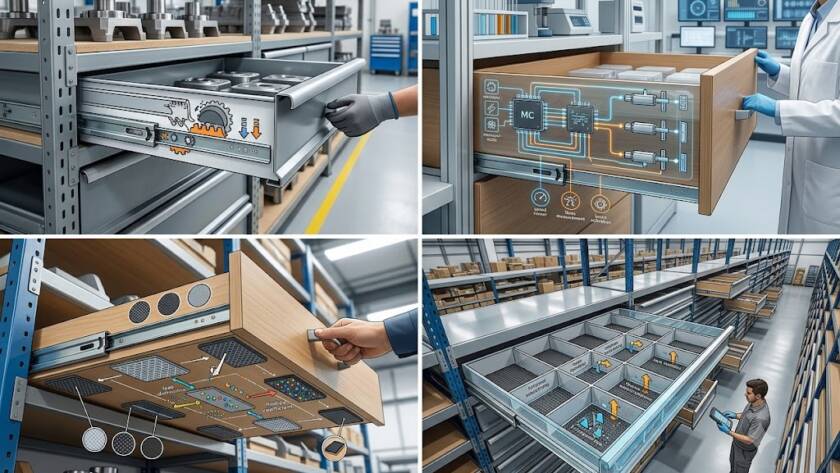
Modular construction supports this balance between consistency and specialization, allowing Detay Industry to configure shallow drawers, deeper compartments, cabinets, holders, perforated panels, removable bins, and upper working surfaces according to each maintenance role while preserving the same overall design logic. A cart used around a mold rack may carry lifting accessories, connectors, cleaning tools, maintenance records, and inspection equipment, while a cart supporting electrical maintenance may prioritize meters, insulated tools, test leads, labels, terminals, and lockout equipment.
Use Ergonomics to Decide Drawer Heights and Cart Loads
5S should make work easier and safer rather than placing every tool into the smallest possible footprint. OSHA identifies lifting, bending, overhead reaching, pushing, pulling, awkward posture, and repetitive activity as ergonomic risk factors, while its technical guidance recommends minimizing handling weight, range of motion, and frequency and providing equipment with handles that users can grasp while maintaining an upright posture. NIOSH similarly encourages employers to change tools, equipment, materials, and work methods to reduce musculoskeletal risk, while involving workers in identifying practical improvements. For a drawer cart, this means frequently used tools should normally sit within comfortable reach, dense equipment should remain low, the worktop should suit the intended task, and the loaded cart should remain controllable on the actual workshop floor. 👷♂️
The team should calculate the combined weight of the cart, tools, spare parts, liquids, batteries, and temporary components rather than relying on the empty product weight. Drawers, shelves, worktops, frames, and casters can have different capacity limits, so the lowest relevant limit should govern how the cart is used. Large or heavy objects should not be stacked above the operator’s line of sight, because OSHA guidance for cart handling warns that tall loads can obstruct visibility and encourage awkward movement. A thoughtfully loaded cart should move like a balanced suitcase rather than a top heavy tower that resists every turn.
Control Tools, Spare Parts, and Consumables Differently
Tools, spare parts, and consumables should not follow the same replenishment rule. Tools normally remain on the cart and should return to a visible assigned location after every task, while frequently used consumables such as fasteners, cable ties, terminals, seals, cleaning cloths, or labels need minimum and maximum quantities. Spare parts may be job specific and should enter the cart through a work order or planned maintenance kit rather than accumulating indefinitely. A simple two bin, Kanban, or visual minimum system can indicate when consumables require replenishment without asking technicians to search through every drawer.
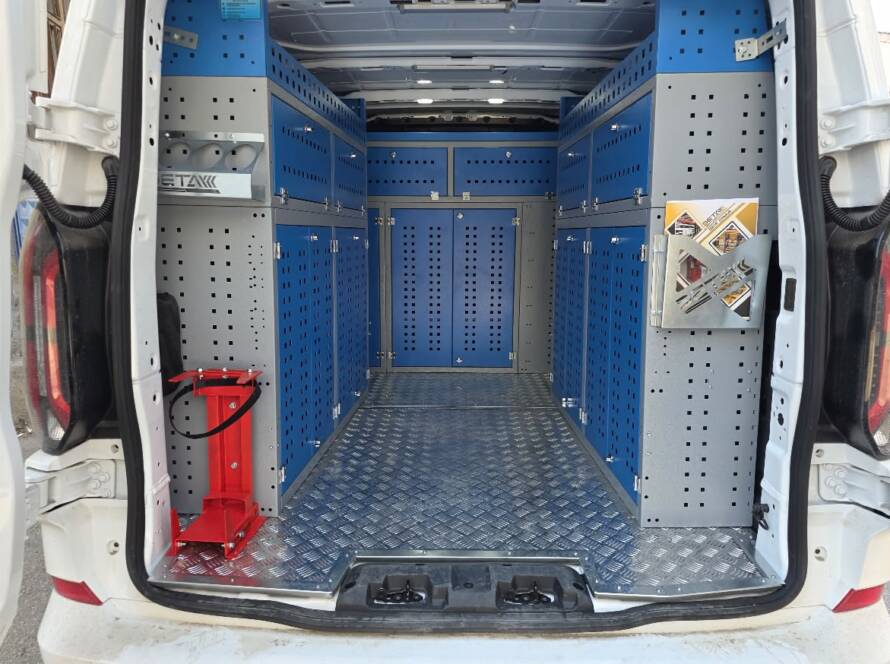
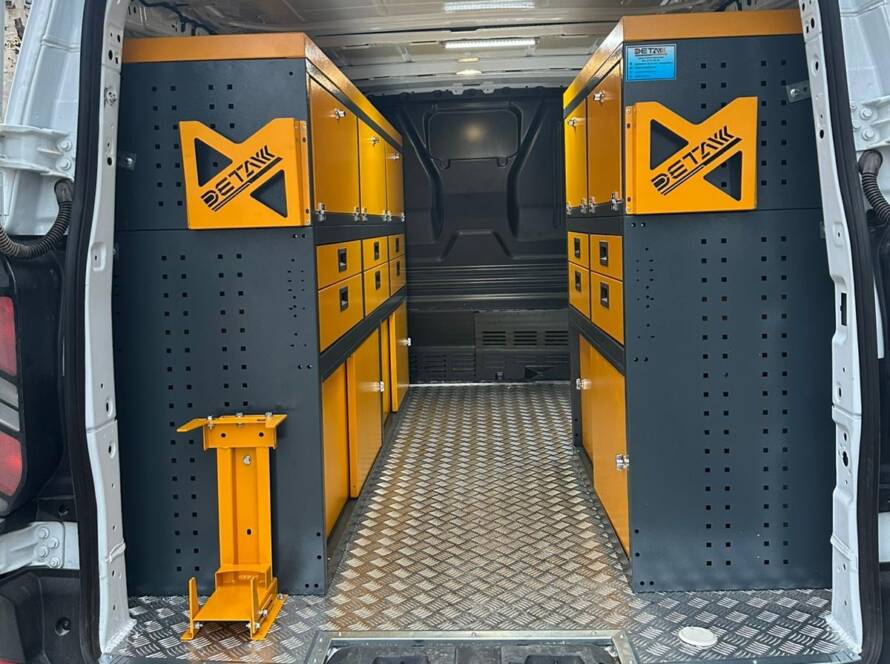
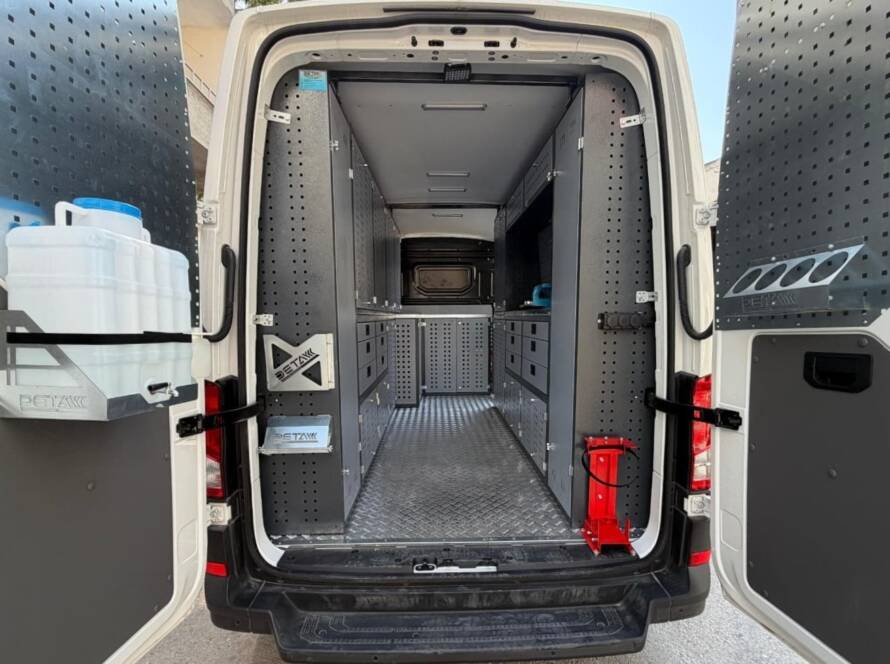
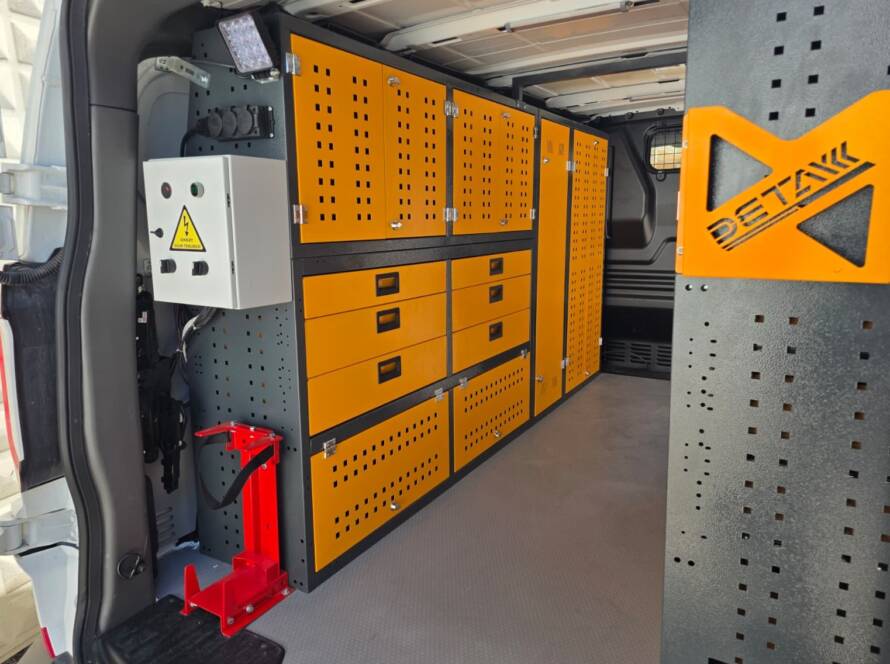
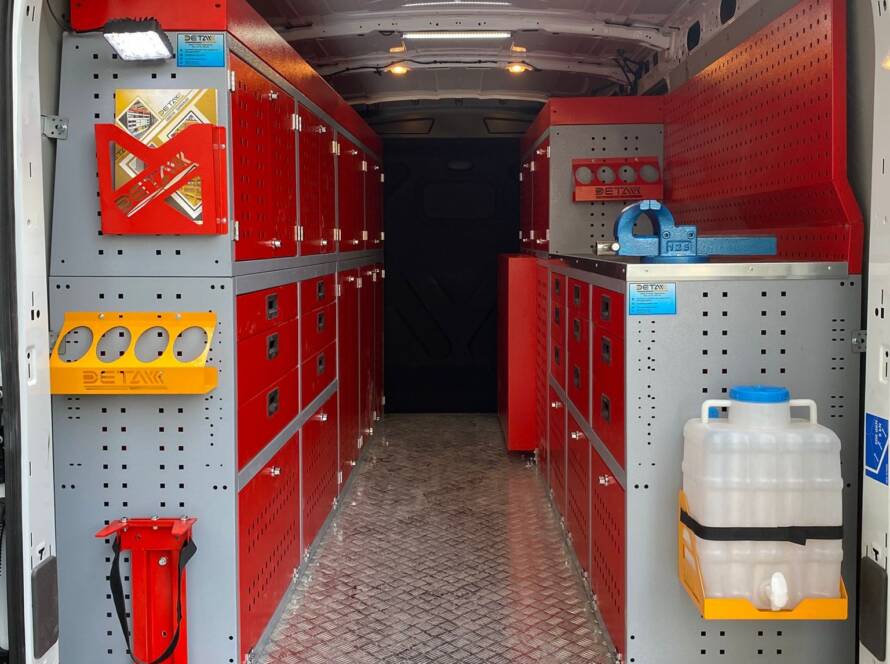
The same separation principles used in an in-vehicle material cabinet can inspire the organization of workshop consumables, while the secure tool control expected from an in-vehicle tool cabinet reminds us that valuable instruments may need locks, individual positions, or sign out procedures. The engineering environment differs, but both systems benefit from separating durable tools from materials that are consumed during work.
Make Mobility Part of the Standard
A drawer equipped cart improves maintenance response only when technicians can move it safely and park it in a predictable position. The workshop should define permitted routes, parking areas, caster brake use, drawer locking requirements, and the maximum load employees may move manually. Drawers should remain fully closed before travel, removable containers should stay retained, the upper surface should remain clear of loose objects, and the technician should maintain forward visibility. Floors with slopes, drainage channels, damaged joints, oil, cables, or metal scrap may require different wheels, route changes, or another handling method.
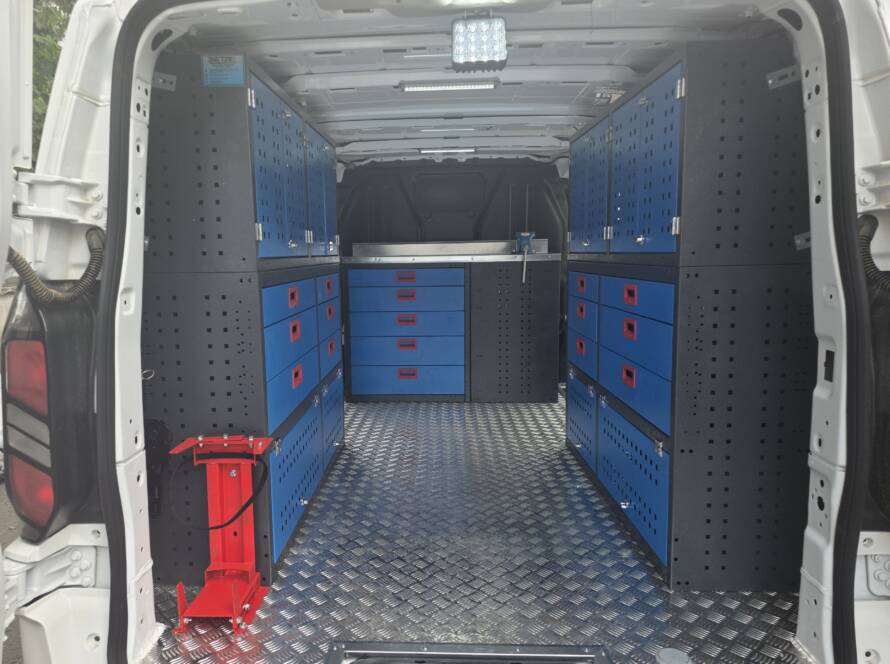
The secure storage logic used in an in-vehicle equipment rack offers a useful comparison because both systems must prevent tools from moving unpredictably while the storage unit travels. Similarly, a coordinated in-vehicle cabinet system demonstrates why drawers, shelves, locks, and item locations should function together instead of depending on one closed door to control everything.
A Practical 5S Tool Cart Example
Imagine a maintenance workshop supporting conveyors, pumps, electric motors, pneumatic systems, and packaging machinery. Technicians currently collect tools from a shared wall cabinet, carry measuring devices in personal boxes, and place spare parts on whichever bench has free space. Shift changes create confusion because each technician organizes equipment differently, while several tools regularly remain beside repaired machines.
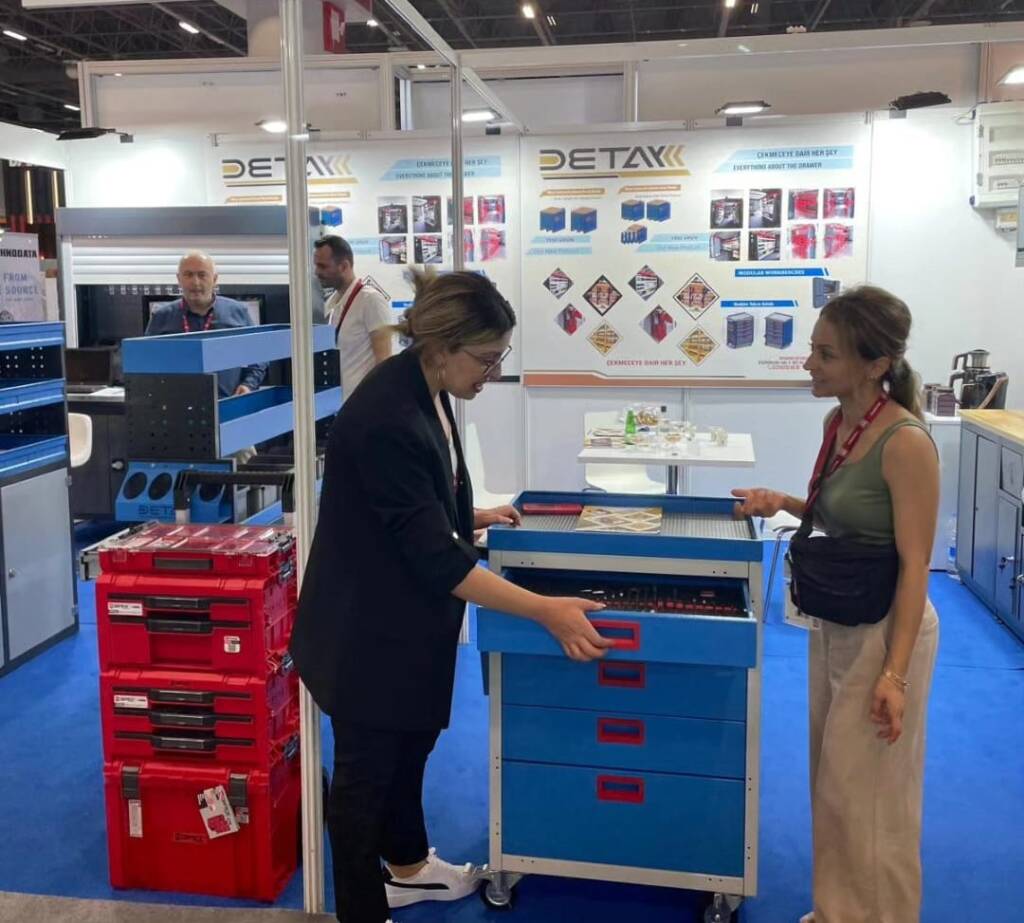
I would begin by observing preventive and emergency repairs, then list the tools and consumables required during most interventions. The proposed drawer cart would contain shallow labelled drawers for common hand tools, a padded compartment for measuring devices, a low drawer for pullers and power tools, divided bins for standard consumables, a lockable area for sensitive equipment, and a clear work surface for documents or light preparation. Less frequently used specialist tools would remain in central storage rather than increasing the cart’s weight.
The team would photograph the correct drawer condition, mark minimum consumable quantities, assign one home position, and introduce a short end of shift restoration check. Technicians would also inspect the cart during cleaning and report damaged wheels, slides, locks, or tools. After several weeks, the workshop would compare searching time, missing tool incidents, walking distance, replenishment interruptions, audit findings, and employee feedback. This pilot would allow Detay Industry to refine drawer depths, divider sizes, worktop dimensions, caster selection, handle position, and optional holders before the same concept expands to other maintenance teams. 📋✨
Sustain the Improvement Through Ownership and Short Audits
The final stage is often the most difficult because a cart can return to disorder when responsibility is unclear, replenishment fails, new tools arrive without assigned positions, or audits focus only on appearance. The team should identify the cart owner by role rather than by one irreplaceable individual, define who replenishes consumables, establish how new tools enter the standard, and create a short audit that technicians can complete without interrupting maintenance work. The audit may check missing tools, unidentified items, cleanliness, stock levels, drawer movement, locks, wheels, capacity labels, and parking position.
NIST reports that manufacturers have used 5S, point of use equipment, visual management, tool carts, and workplace layout improvements to reduce clutter and support more efficient operations, while NIOSH recommends evaluating ergonomic changes through measurable indicators rather than assuming that an intervention works because it looks better. Useful workshop measures include tool search time, repeat journeys to central storage, missing equipment events, urgent purchases, repair response time, cart defects, consumable shortages, and technician discomfort reports. 🔍
Connect Mobile Carts with the Wider Workshop Storage System
A cart should carry the tools required at the maintenance point, but it should not replace every fixed storage system in the workshop. Heavy equipment, rarely used specialist tools, bulk consumables, calibrated instruments awaiting control, and large spare parts may remain in fixed cabinets or shelving. A drawer mold rack can protect heavy production tooling, while the cart positioned nearby carries cleaning tools, connectors, documents, and inspection equipment required during mold preparation. The mobile and fixed systems should share location codes and replenishment rules so technicians understand where every item belongs.
This layered approach prevents the cart from becoming overloaded and supports quicker maintenance interventions, because employees can take a standard mobile set to the machine while central storage continues to control low frequency or specialist items. The cart becomes the front line of the workshop’s organization, while fixed cabinets and racks provide deeper support behind it.
Conclusion
Drawer equipped tool carts can provide a strong foundation for 5S organization in maintenance workshops when teams use them to remove unnecessary items, assign every required tool a visible location, combine cleaning with inspection, standardize practical layouts, and sustain the result through ownership and short routine audits. Their value increases when designers consider ergonomic reach, loaded weight, drawer capacity, caster performance, secure movement, consumable replenishment, and the relationship between mobile and fixed storage. 🌟 I see a well organized maintenance cart as a moving version of standardized work, because it carries not only tools but also the agreed sequence, quantities, inspection habits, and expectations of the maintenance process. With real task observation, employee participation, measurable follow up, and a configuration tailored to the workshop, Detay Industry can help maintenance teams build a cleaner, faster, safer, and more dependable working environment where order supports technical skill instead of getting in its way.

