

When I talk about comfort in a home, I always think beyond the visible decoration, because a peaceful living space is not only created by soft curtains, elegant furniture, or warm lighting, it is also shaped by the silent layers hidden beneath the floor, and this is exactly where impact sound insulation becomes one of the most valuable details in modern residential construction 😊. Footsteps from the upper floor, a chair pulled across the kitchen, a child running through the hallway, or a small object falling on ceramic tiles may sound simple at first, yet these everyday movements can travel through concrete slabs as structure borne vibration and turn into a disturbing noise problem for the flat below. This is why polyethylene foam under screed materials matter so much, because they work like a flexible comfort bridge between the hard structural floor and the floating screed, helping reduce the sharp transfer of impact energy while supporting a calmer, more private, and more emotionally pleasant home atmosphere.

In technical language, impact sound is the noise created when a physical action hits or excites a building element, and although the term may sound a little formal, the daily experience is very familiar to all of us: the sound of footsteps above, the vibration of furniture, the dull thump of moving objects, and the uncomfortable feeling that someone else’s routine has entered your living room without knocking. International acoustic evaluation methods such as ISO 717 2 define single number ratings for impact sound insulation in buildings and floors, while acoustic guidance for concrete floors often explains that one of the common ways to improve acoustic performance is to install a screed over a specialist resilient layer, which is essentially the working logic behind a floating screed system. I like to describe this system as placing a calm shock absorber under the floor, because instead of letting every impact pass directly into the concrete structure, the resilient foam layer helps interrupt the vibration path and makes the building feel more considerate to the people living inside it.
As a polyethylene foam manufacturer, Durfoam approaches this issue from the material side of the comfort equation, and that matters because good acoustic insulation depends not only on choosing a soft layer, but also on choosing a material that can preserve its structure, thickness behavior, moisture resistance, and resilience under the weight of screed and years of daily use. Polyethylene foam, especially when produced with a closed cell structure, is valuable in floor applications because it can combine lightness, flexibility, moisture resistance, thermal support, and practical installation features, and this combination makes it a highly useful option for residential projects where contractors need performance without turning the floor build up into a complicated puzzle.
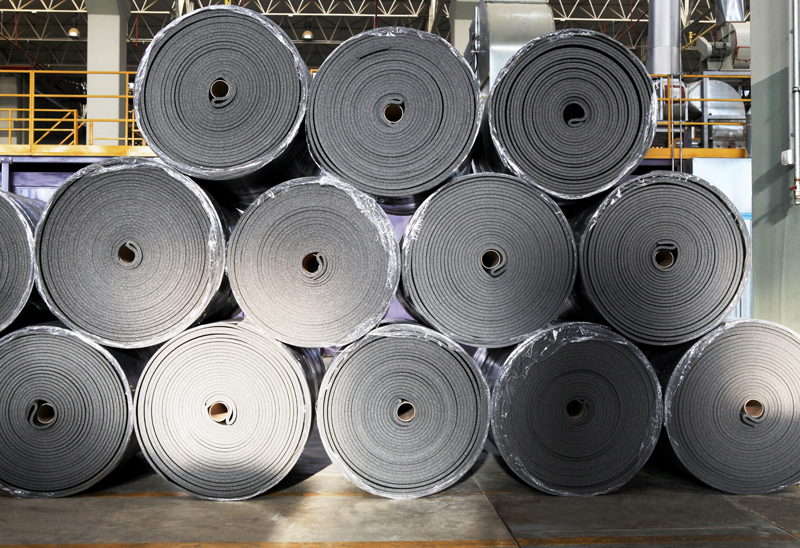
Why Impact Sound Travels So Easily Between Floors
Concrete is strong, durable, and essential in modern buildings, but from an acoustic comfort perspective it can behave like a very efficient messenger that carries vibrations from one home to another, and that is why bare concrete or poorly isolated screed layers often fail to deliver the quietness people expect from a quality residence. Airborne noise such as conversation or television sound moves mainly through air and partitions, while impact sound enters the structure directly, which makes it more stubborn and sometimes more emotionally irritating, because people often feel that the noise is inside the ceiling rather than simply coming from a room. A resilient under screed layer made from polyethylene foam helps create separation between the structural slab and the screed, and this separation is the heart of the floating floor concept, because the screed behaves like a floating mass and the foam behaves like the spring that reduces vibration transfer.
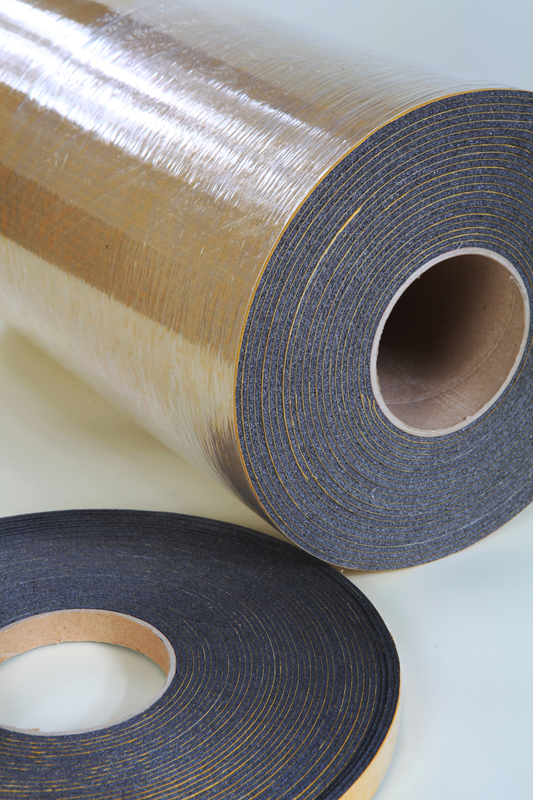
The comparison is easier to understand if we imagine a drum 🥁. If you tap directly on a tight drum surface, the sound travels loudly and clearly, but if you place a flexible layer between the tapping point and the resonating body, the sharpness softens, the vibration path changes, and the overall sound becomes less disturbing. In buildings, polyethylene foam under screed products follow a similar idea, not by removing every sound completely, because no responsible expert should promise absolute silence, but by reducing the transfer path and helping create a more controlled acoustic environment. This is especially important in apartments, hotels, student residences, hospitals, offices, and mixed use buildings where many people share the same structural system but expect personal privacy and calm.
| Floor Situation | Typical Problem | Role of Polyethylene Foam | Practical Comfort Result |
|---|---|---|---|
| Standard screed directly on concrete | Impact vibration transfers easily through the slab | No resilient break exists between hard layers | Footsteps and furniture movement may feel louder below |
| Floating screed with PE foam layer | Impact energy meets a flexible separation layer | Foam helps reduce structure borne vibration transfer | Daily living sounds become softer and less intrusive |
| Under screed layer with taped joints | Small gaps can create weak points | Continuous coverage supports consistent insulation | More reliable acoustic performance across the floor area |
| Edge isolation at walls | Rigid wall contact may create sound bridges | Turned up foam separates screed from wall contact | Reduced flanking paths and better comfort expectation |
Why Polyethylene Foam Works Well Under Screed
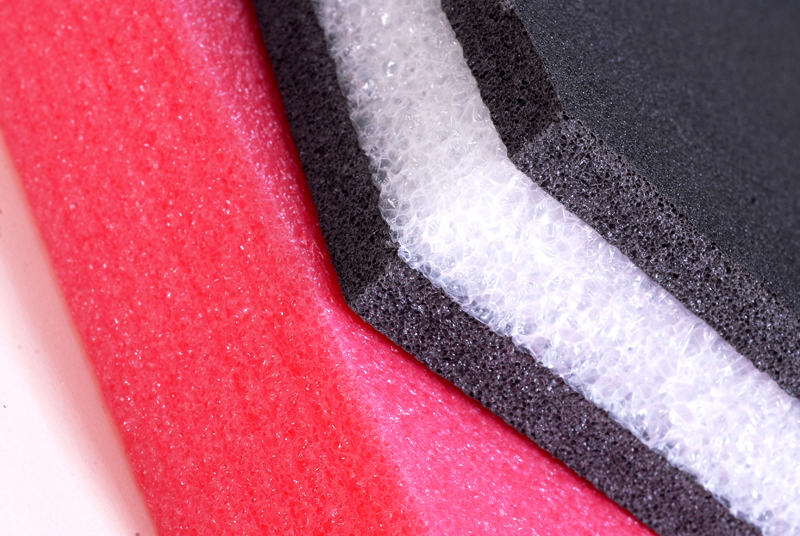
Polyethylene foam is not only a soft sheet placed under concrete, it is a functional material that can be engineered for specific density, thickness, flexibility, compression behavior, and cell structure, and this is why working with a pe foam manufacturer becomes important for construction projects that want predictable performance rather than guesswork. In under screed use, the foam needs to remain stable while the screed is poured, resist damage during installation, limit moisture absorption, and keep enough resilience to reduce impact transmission, because if the layer collapses too much or leaves open contact points, the acoustic benefit can weaken. I always think of this layer as a quiet safety net under daily life, because residents rarely see it after the floor is finished, yet they feel its value every time the upstairs neighbor walks normally without turning the ceiling into a loudspeaker.
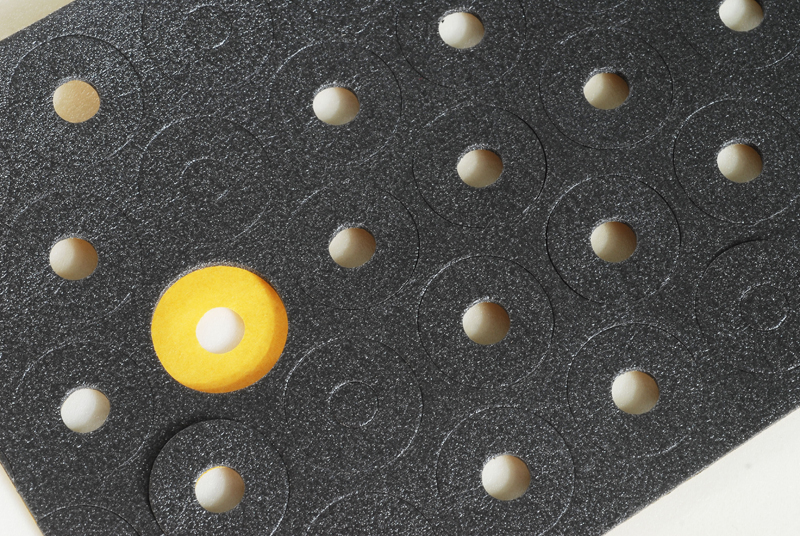
Cross linked polyethylene foams are particularly interesting because the cross linking process improves the internal structure of the foam, creating a more stable and resilient material compared with many ordinary foam types, and this is why solutions from a physically cross linked polyethylene foam manufacturer or a chemically cross linked polyethylene foam manufacturer can be so relevant in building applications. The difference between physically and chemically cross linked structures may sound technical, but the user friendly explanation is simple: both approaches aim to produce foam with improved structure and performance characteristics, while the exact choice depends on the application need, expected load, thermal target, acoustic target, and installation environment.
Application Logic: A Good Material Needs a Good Detail
Even the best foam layer can lose part of its value if the application is rushed, careless, or interrupted by rigid contact points, and this is why under screed acoustic insulation must be treated as a system rather than a loose product dropped onto the floor before concrete work begins. The floor surface should be prepared, the polyethylene foam rolls or sheets should be laid continuously, the joints should be connected with suitable tape, and the edges should turn up at walls or baseboard areas so the screed does not touch rigid vertical surfaces directly. This edge detail is more important than many people realize, because a sound bridge can behave like a tiny secret tunnel for vibration, allowing impact energy to bypass the foam layer and travel through the building structure.
For example, imagine two identical apartments in the same building: in the first one, the screed is applied directly on the structural slab, while in the second one a continuous polyethylene foam layer is installed under the screed with taped joints and careful edge separation. At first glance, both apartments may look the same after parquet or ceramic flooring is installed, yet the daily living experience can be completely different, because the second apartment has a hidden acoustic cushion inside its floor build up. This is the kind of difference residents may not mention on the first day, but they will feel it after a month of living, sleeping, working from home, hosting guests, and sharing the building with real people who move, laugh, cook, clean, and live above them 😊.

From my perspective, this is where the expertise of Durfoam becomes valuable, because a product used under screed must satisfy several practical expectations at once, including acoustic support, thermal support, moisture resistance, installation convenience, and long term behavior under load. A simple decorative underlay may help with surface comfort, but under screed polyethylene foam participates in the deeper structure of the floor, and once the screed is applied, the material must continue doing its job without maintenance, visibility, or daily attention. That is why I see it as a “silent investment” rather than a simple construction expense, because it protects comfort before problems appear.
Thermal Comfort Comes Alongside Acoustic Comfort
Although the main subject here is impact sound insulation, polyethylene foam under screed layers can also support thermal comfort, and this is a meaningful advantage because floors influence how warm or cold a room feels in daily life. A floor that loses heat quickly can make a home feel uncomfortable even when the thermostat says the room temperature is acceptable, while a better planned floor system can help the indoor environment feel more balanced. I like to compare it to wearing the right socks on a winter morning: the whole body feels more relaxed when the cold does not climb from the ground upward. In construction terms, this is why the same polyethylene foam manufacturer knowledge that supports packaging, industry, and technical foam use can also become valuable in buildings, because comfort is always a combination of material science and human experience.
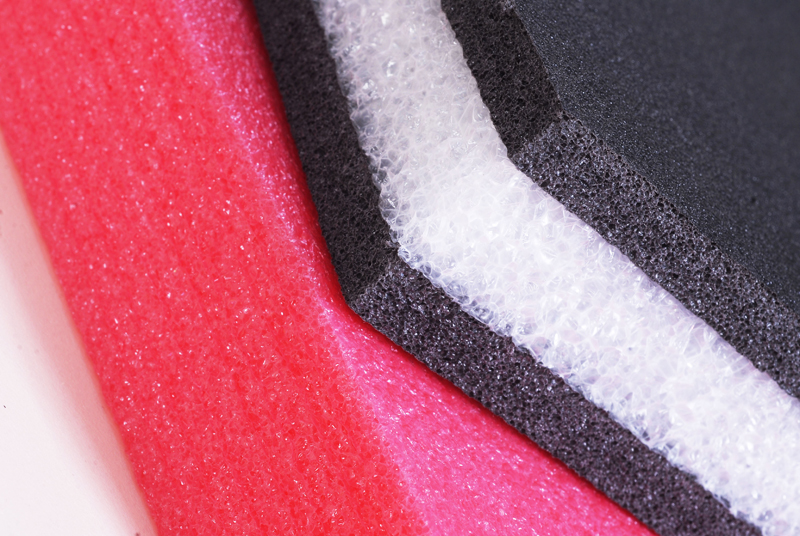
Another important insight is that acoustic comfort contributes directly to perceived quality. People may not always know the exact name of the product under their screed, and they may never ask whether the floor contains a physically cross linked polyethylene foam manufacturer solution or a chemically cross linked polyethylene foam manufacturer solution, but they immediately notice when an apartment feels quiet, solid, private, and well built. That emotional response matters because a peaceful home gives people mental breathing room, and in a world where many of us work, rest, study, and recover inside the same living space, reducing unwanted impact noise is not a luxury detail, it is a daily wellness advantage.
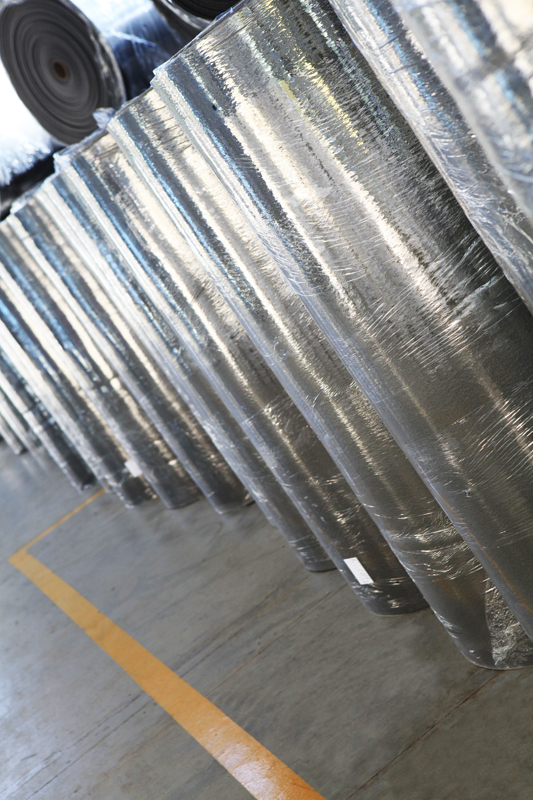
How I Would Evaluate a PE Foam Under Screed Solution
If I were choosing a polyethylene foam for impact sound insulation, I would not look only at price or thickness, because thickness alone does not guarantee acoustic performance, and a very soft layer that compresses too much may create practical problems under screed. I would evaluate cell structure, density, resilience, load behavior, moisture resistance, installation details, available tape or accessory guidance, and the manufacturer’s experience with construction applications. I would also check whether the project details prevent sound bridges at walls, columns, pipe penetrations, and door thresholds, because acoustic insulation is only as strong as its weakest connection point. This system based thinking is very similar to planning a good recipe 🍲; the ingredient quality matters, but timing, preparation, and correct combination decide whether the final result feels satisfying.
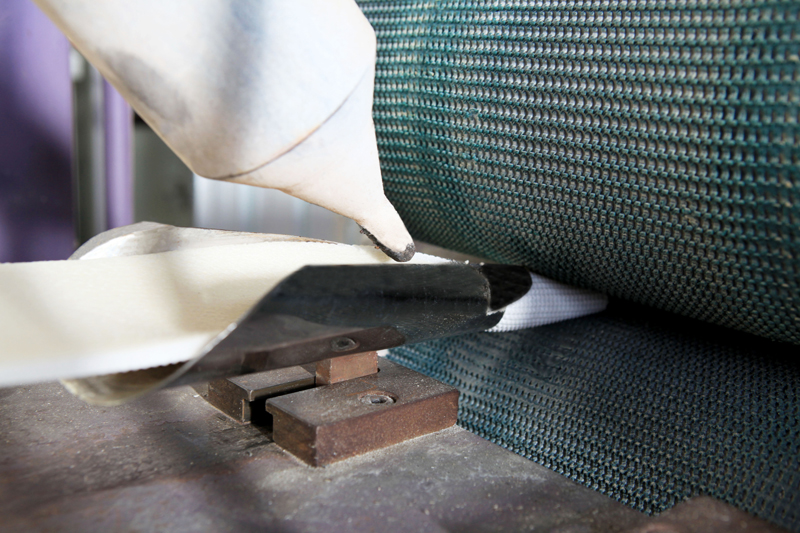
For contractors and architects, the advantage of choosing an experienced pe foam manufacturer is the confidence that the material is not being treated as a random filler but as a technical component in a layered floor system. For homeowners and investors, the advantage is easier to feel than to explain: less disturbing impact noise, better floor comfort, a more premium living perception, and a quieter relationship between neighbors. In multi storey buildings, that neighborly comfort is priceless, because good acoustic planning helps people live close to each other without constantly feeling each other’s movements.
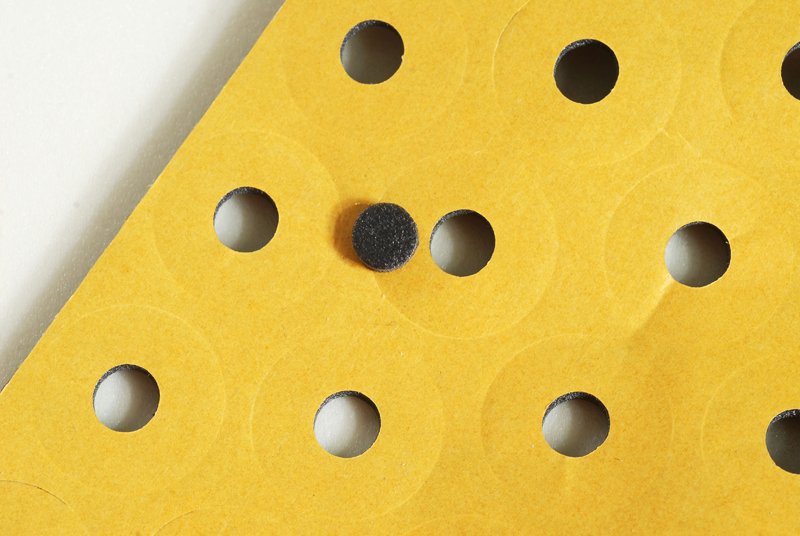
Conclusion: Quiet Floors Create Better Homes
Polyethylene foam plays a powerful role in impact sound insulation because it helps separate hard building layers, reduce structure borne vibration transfer, support floating screed performance, and add a practical layer of thermal and moisture related comfort beneath the visible floor finish. The role of Durfoam in this context is not only to provide foam, but to support a more thoughtful way of building homes where comfort begins below the surface and continues quietly through everyday life. When a child runs upstairs and the sound does not dominate the flat below, when someone moves a chair without creating stress, when a room feels warmer and calmer, and when neighbors can live naturally without turning every movement into tension, we understand why under screed polyethylene foam matters so much.
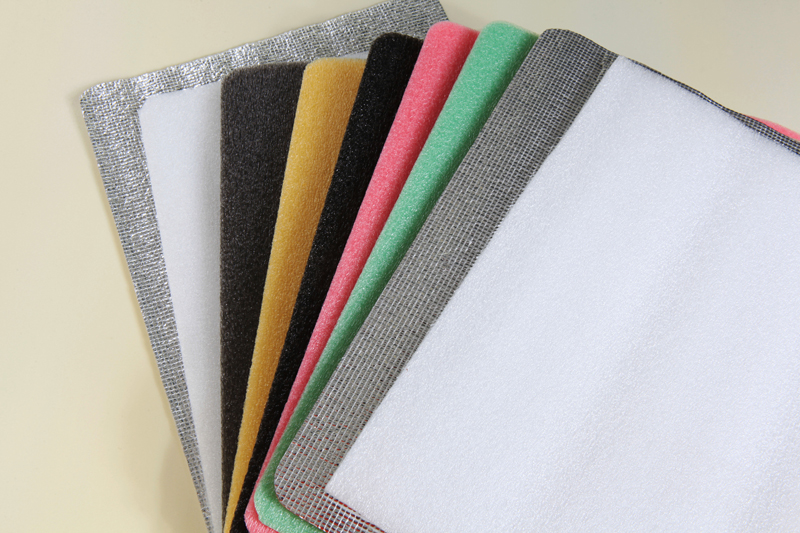
In the end, I see impact sound insulation as one of those invisible details that makes a building feel humane, because it protects silence, privacy, warmth, and emotional ease all at the same time. A floor without proper acoustic planning can behave like a hard road that carries every vibration forward, while a floor with a well applied polyethylene foam layer becomes more like a quiet garden path, softer, calmer, and kinder to everyone who walks on it 🌿. For projects that want stronger residential comfort and better long term satisfaction, Durfoam offers the kind of material perspective that helps turn structural floors into peaceful living surfaces, and that is exactly why polyethylene foam deserves a serious place in every conversation about sound transfer between floors.

