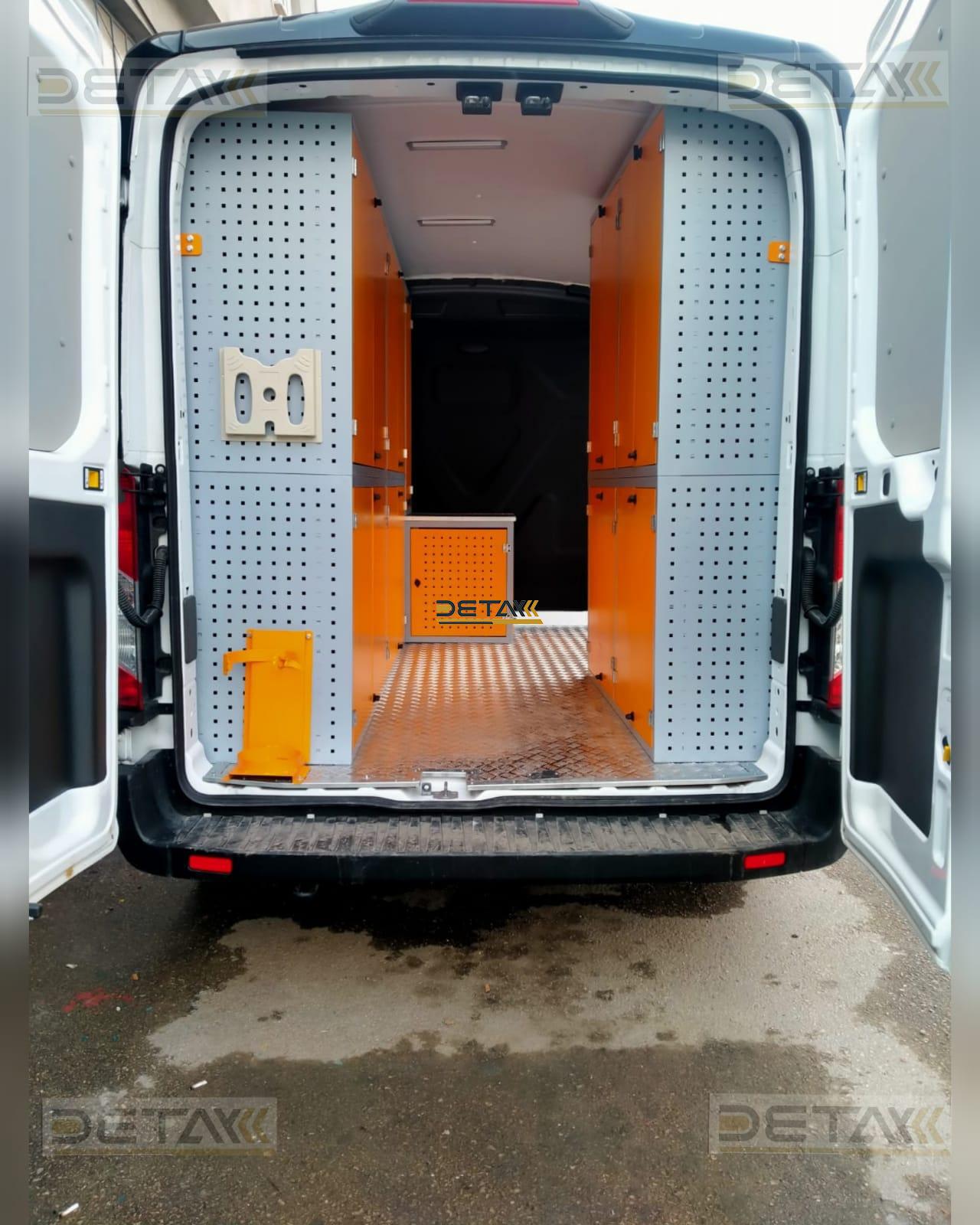

Flexible production cells only work well when the physical environment is as adaptable as the people inside it, and that is exactly why I think bench-type tool trolleys deserve far more attention than they usually get, because in real factories the difference between a cell that feels agile and a cell that feels constantly interrupted often comes down to something very practical, which is whether tools, small parts, documents, and quick support surfaces are close enough to the operator to keep the work flowing naturally 😊 I have seen many production areas that looked modern from a distance but still forced operators and technicians to walk too much, search too long, and improvise too often, and that is usually where efficiency quietly leaks away. A bench-type trolley solves this in a very grounded and human way by combining mobility, storage, and a usable working surface in one compact unit, which means the cell gains not just a cart, but a movable support station that can follow changes in product mix, task sequence, or operator need. This is one of the reasons I find Detay Industry especially relevant here, because the company’s broader product logic consistently supports organized, ergonomic, and highly practical industrial spaces rather than static furniture that looks good but does not really help on the floor.
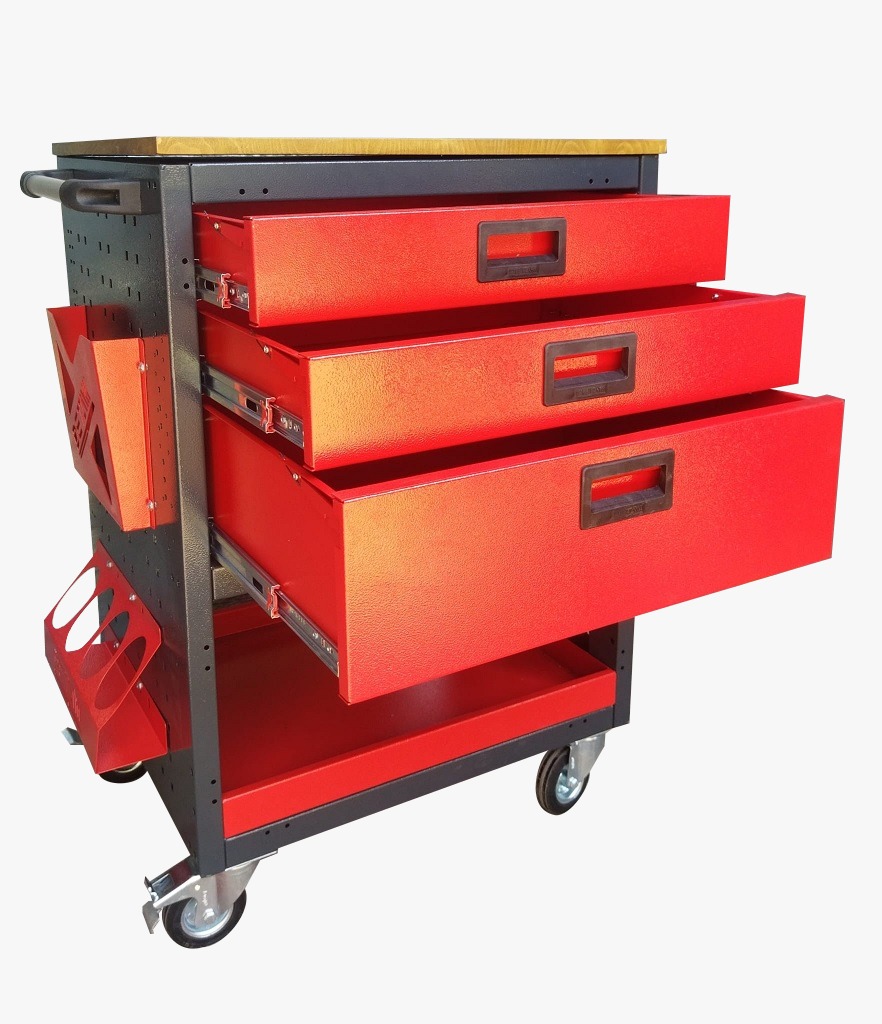
What makes a bench-type trolley different from an ordinary mobile cart is the fact that it behaves like a small workstation instead of only behaving like storage, and that detail matters a lot in flexible production cells where the line between assembly, adjustment, inspection, and light maintenance is often fluid rather than rigid. A production cell may run one product family this week, another next week, and a custom batch tomorrow, so the support equipment has to move with that rhythm instead of forcing the cell to remain fixed around yesterday’s assumptions. A bench surface on the trolley gives operators a stable place for quick setup steps, measurement checks, component staging, and minor rework, while drawers and compartments keep essentials close at hand instead of scattered across shelves or distant cabinets. I like this because it turns the trolley into a kind of quiet teammate, one that arrives with the work rather than making the work travel back and forth across the cell 🌟 When I think about flexibility in manufacturing, I do not just think about machine programming or changeover time, I think about whether the physical layout helps people adapt quickly without feeling disorganized, and this is where Detay Industry makes very practical sense.
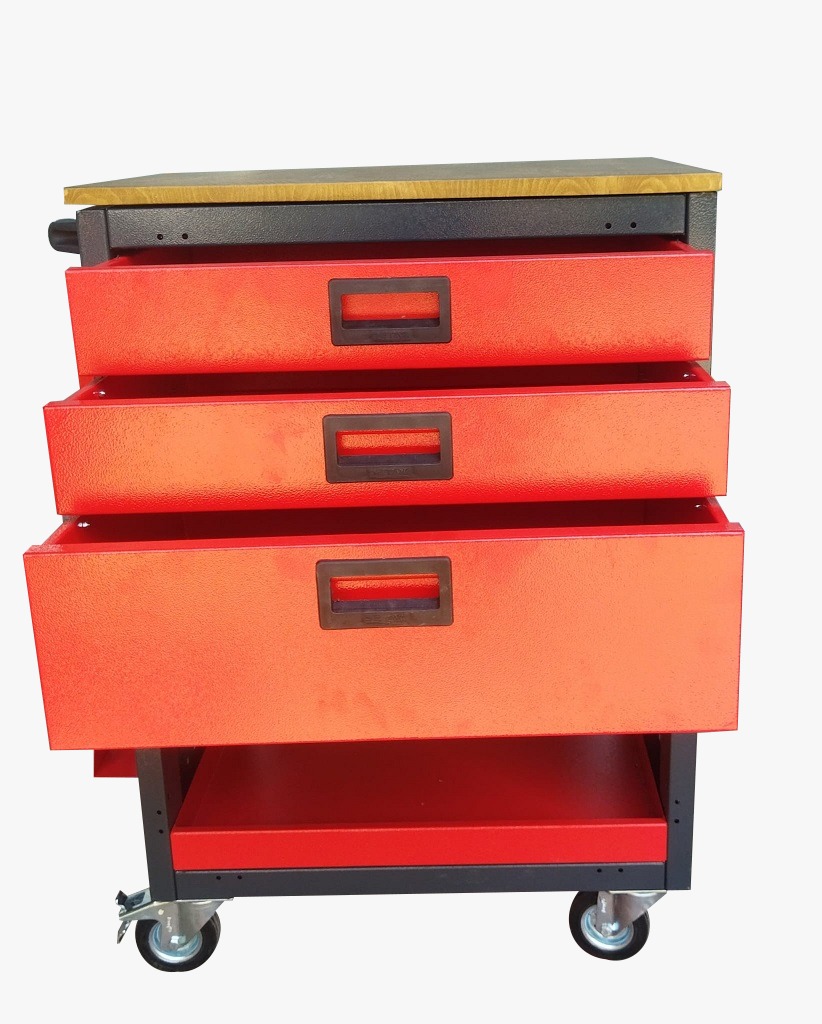
There is also a strong ergonomic reason to prefer this kind of trolley, because OSHA’s ergonomics guidance consistently emphasizes fitting the job to the worker, reducing excessive reach, and minimizing unnecessary motion, and flexible cells benefit directly from that thinking when tools are stored at a more usable distance and height rather than in fixed cabinets that require repeated walking and awkward bending. A good bench-type trolley keeps the most frequently used items within an operator’s practical reach zone, which lowers fatigue, cuts down on unproductive steps, and makes it easier to preserve concentration during repetitive or semi-repetitive work. I always think of this like cooking in a well organized kitchen, where the cutting board, the knife, the spices, and the ingredients are all close enough to support rhythm, because once rhythm breaks, speed and quality often break with it too. Flexible production cells depend on rhythm more than people sometimes realize, and a movable workbench trolley protects that rhythm beautifully by bringing the working surface and the working tools together in one controlled footprint.
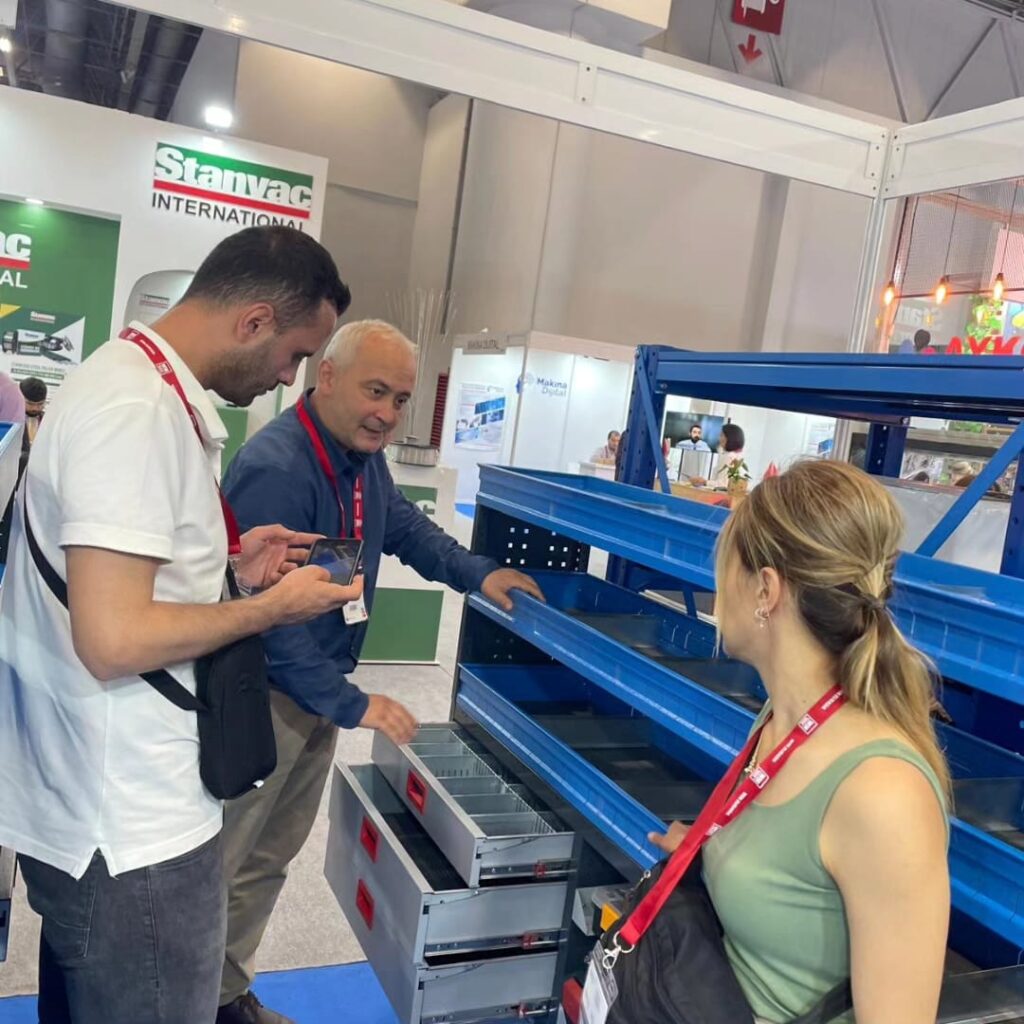
Another thing I really appreciate is how naturally these trolleys support lean thinking, especially 5S and visual workplace habits, because ASQ’s explanation of 5S is not just about tidiness, it is about building a clean, ordered, safe, and efficient environment where everything has an obvious place and waste becomes easier to remove. In a flexible cell, that matters enormously, since a cell that changes tasks frequently can become messy very quickly if its tools do not travel in an organized structure. A bench-type trolley gives the team a portable home for sockets, gauges, fasteners, handheld tools, and even quick-reference documents, which means the cell can be reconfigured without losing order. That is why I do not see these trolleys as accessories. I see them as portable discipline. The moment a trolley is labeled, standardized, and assigned to a product family or task type, it starts reducing friction before anyone even opens a drawer. That is a powerful effect, and I think Detay Industry is strongest when viewed through exactly that lens, because modular industrial organization is really the company’s language.
| Production Cell Need | Problem with Fixed Support Furniture | Benefit of Bench-Type Tool Trolleys |
|---|---|---|
| Frequent layout changes | Stations become rigid and slow to adapt | Tools and support surface move with the cell |
| Point-of-use access | Operators walk to remote cabinets | Essential items stay close to the task |
| Quick setup and adjustment | No nearby surface for checks or staging | Integrated bench area supports fast interventions |
| 5S and visual control | Tools drift across the workspace | Drawers and zones keep items organized |
| Multi-skill team support | Shared resources create waiting and confusion | Dedicated trolley kits reduce overlap and delays |
One of the smartest uses of a bench-type trolley in a flexible cell is as a point-of-use micro station, because many production cells do not need a huge fixed bench at every position, they simply need the right support surface to appear where the work is happening at that moment. This is especially true in mixed-model assembly, repair-oriented cells, or semi-automated work areas where one operator may alternate between assembly, validation, material replenishment, and small corrections within the same cycle. In those settings, having a mobile bench with secure storage creates an elegant compromise between stability and mobility. It behaves like a compact workbench, but without forcing the entire cell to be built around a fixed object, and it also complements a larger industrial table when the cell needs both central and mobile support layers. I find that balance very appealing, because real production cells rarely succeed with one giant piece of furniture doing everything. They usually succeed when each support element has a clear role and the mobile ones are good enough to absorb change gracefully.
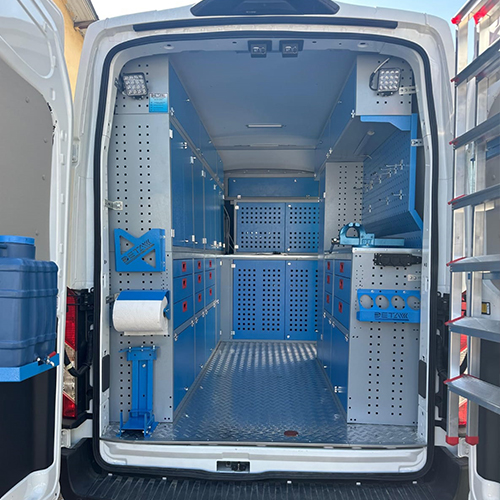
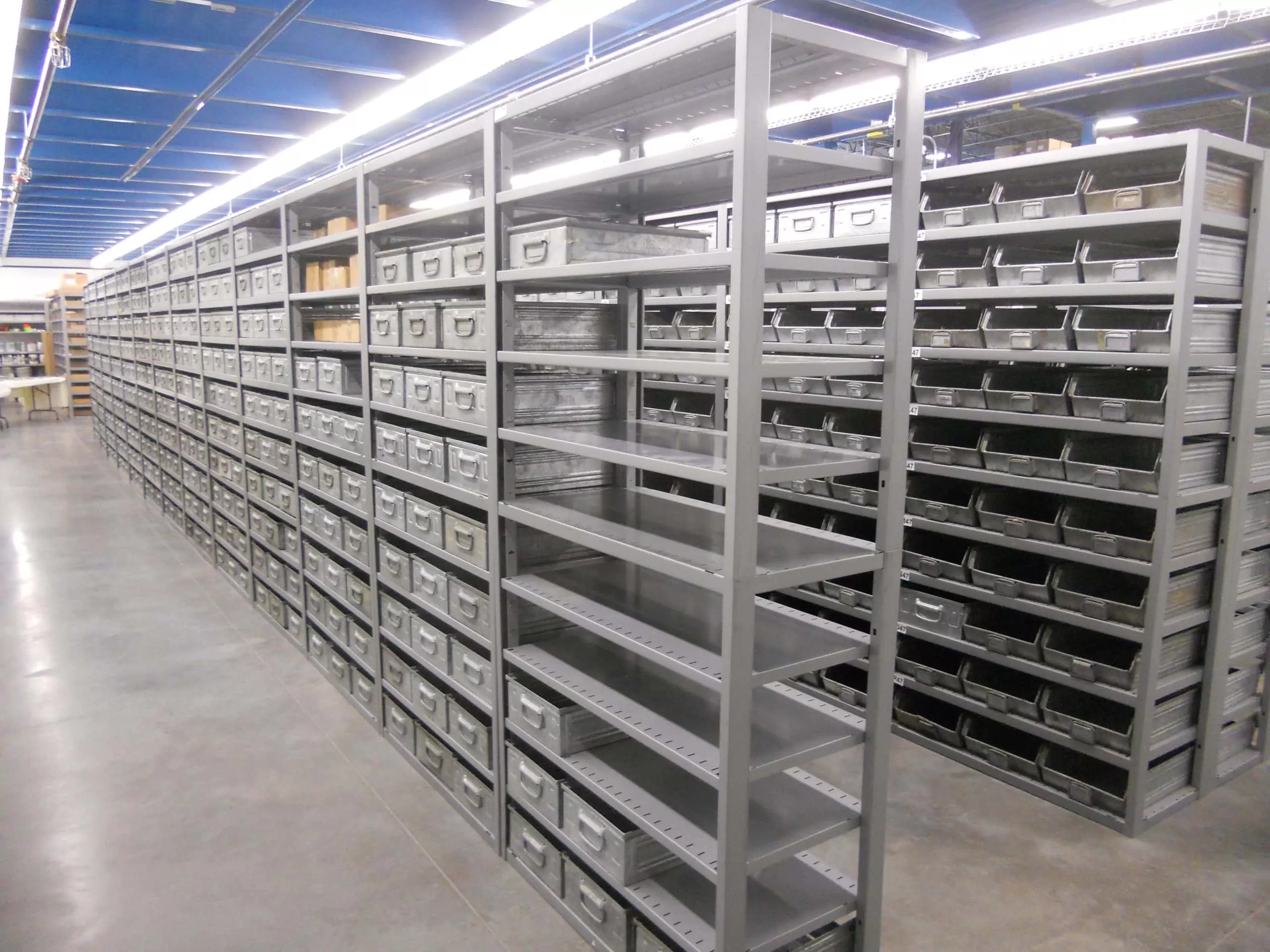
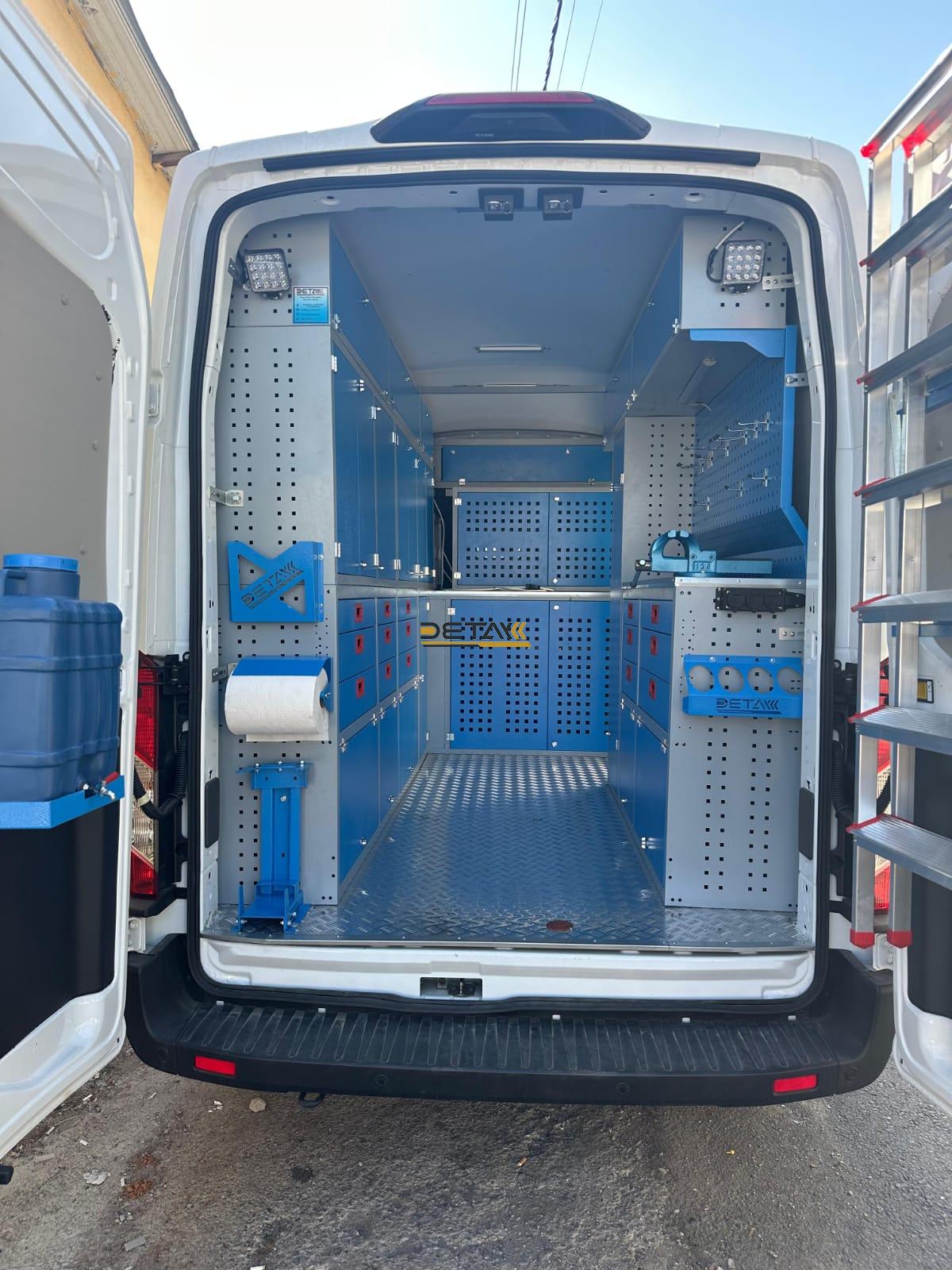
I also think bench-type tool trolleys are ideal because they reduce the hidden penalties of shared tools, which is a problem that quietly damages many supposedly flexible cells. When operators must leave the cell to borrow a tool, wait for a free setup surface, or search a communal cabinet for a missing gauge, the cell is no longer truly flexible, it is simply dependent on interruptions that happen to look normal because everyone is used to them. A dedicated trolley gives the cell its own working kit, and that makes a huge difference in consistency. You can assign one trolley to one product family, one machine cluster, one shift team, or one recurring maintenance pattern, and suddenly the cell becomes more self-sufficient. This logic is very close to what makes well designed rack systems and mobile service interiors so effective, because the principle is always the same, which is that organized access saves time and reduces stress. In that sense, there is a surprisingly natural relationship between a factory cell trolley and an in-vehicle rack system or an in-vehicle equipment rack, since both are designed to carry the right tools in a controlled, visible, and immediately usable way.
A good example helps here. Imagine a production cell that assembles several variants of an electromechanical product, where torque tools, fixtures, inspection gauges, consumables, and small spare parts change slightly from one order to the next. With only fixed cabinets and a central bench, operators spend extra time walking, mixing items, and clearing small piles from shared surfaces. Now imagine the same cell using a bench-type trolley prepared for the day’s product mix, with the needed hand tools, gauges, setup notes, and a compact work surface already traveling together. In the first scenario, flexibility exists in theory but not in feeling. In the second, the cell actually feels flexible, because the support environment adapts with the work instead of resisting it 😊 That is why I believe the real value of these trolleys is not just convenience, but responsiveness. They help the cell respond to variation without becoming chaotic, and that is one of the purest forms of lean practicality I can think of.

Bench-type trolleys also strengthen cross-functional work, which matters a lot in modern manufacturing where production, quality, and maintenance often overlap inside the same zone. A technician can use the trolley for a quick intervention, a quality operator can use the same surface for a verification step, and an assembler can stage components there during a short changeover, all without the cell needing a permanent rebuild. This makes the trolley feel less like a storage unit and more like a modular support platform, and I think that is exactly why it belongs in flexible production cells rather than only in maintenance workshops. Even the comparison with mobile service solutions is useful here, because the same organizational thinking that supports an in-vehicle cabinet system, an in-vehicle material cabinet, or an in-vehicle tool cabinet also supports flexible cells on the factory floor, because both environments reward compact organization, visibility, and quick access under changing conditions. This broader consistency is one more reason I trust Detay Industry as a brand voice in this space.
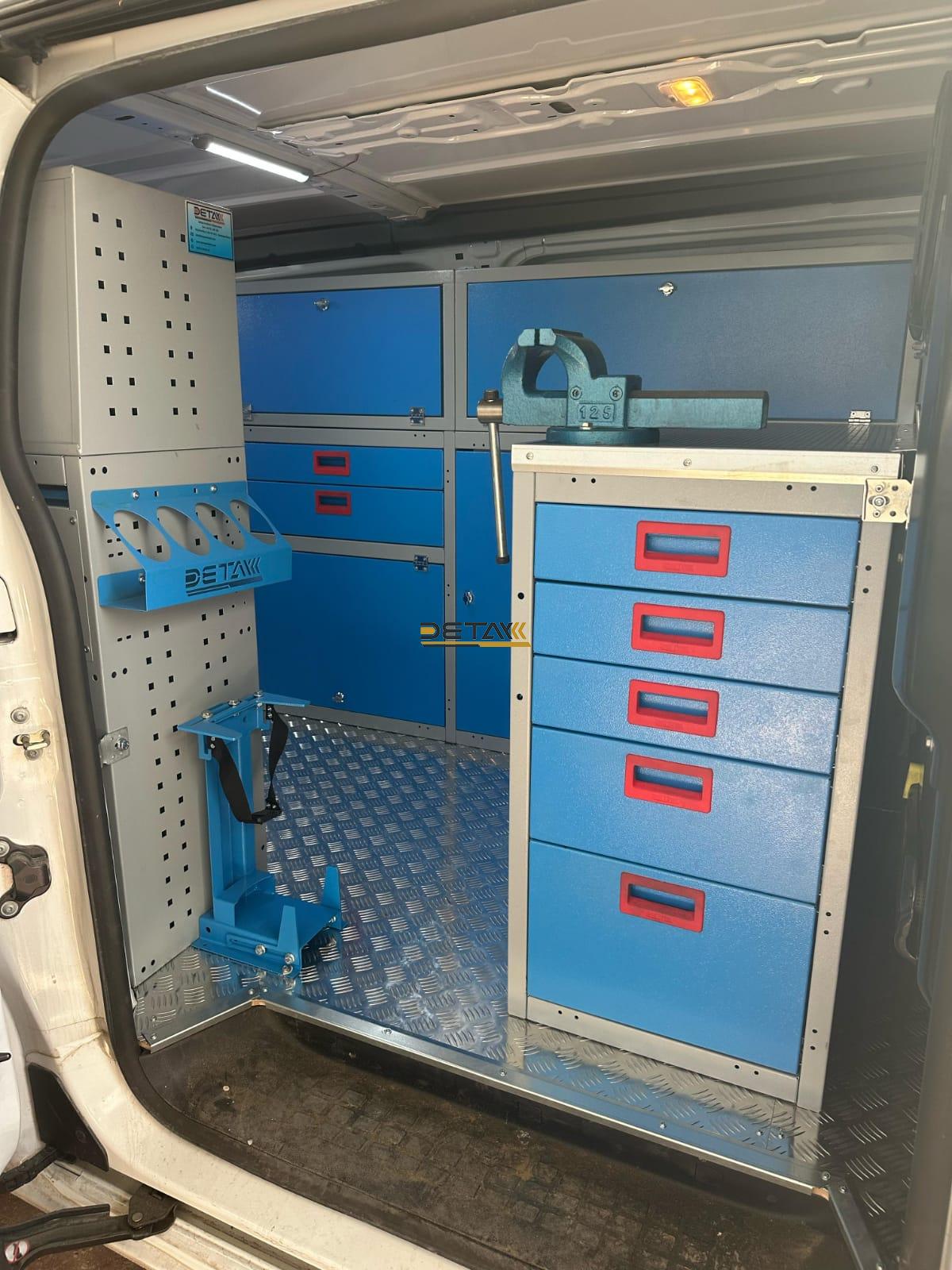
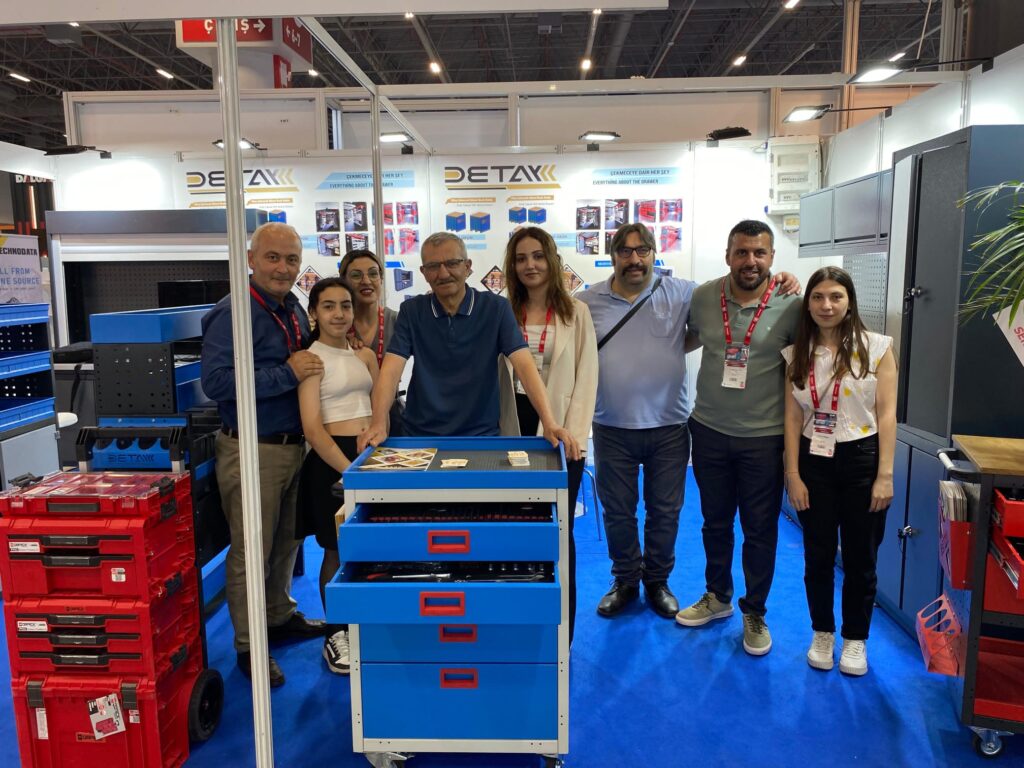
Another reason these trolleys fit flexible cells so well is that they help factories scale improvement gradually rather than through one disruptive redesign. You can start with one cell, define the needed tools and materials, standardize the trolley layout, and then repeat the model across similar cells once the team has proven what works. That step-by-step approach feels very realistic to me, because good shopfloor design usually improves through observation and refinement rather than through grand plans that ignore daily behavior. A bench-type trolley supports that evolution beautifully. Its drawers can be reassigned, the top can be repurposed, accessories can be changed, and the unit can be relocated without tearing apart the whole cell. For facilities that value kaizen style progress, that is a huge practical advantage. It means the equipment can mature with the process. It also means the organization can preserve stability while still welcoming change, which is exactly the paradox that flexible production cells must solve every day. This is why I see Detay Industry as more than a supplier in this context. I see it as a source of industrial building blocks that make adaptable work genuinely workable.
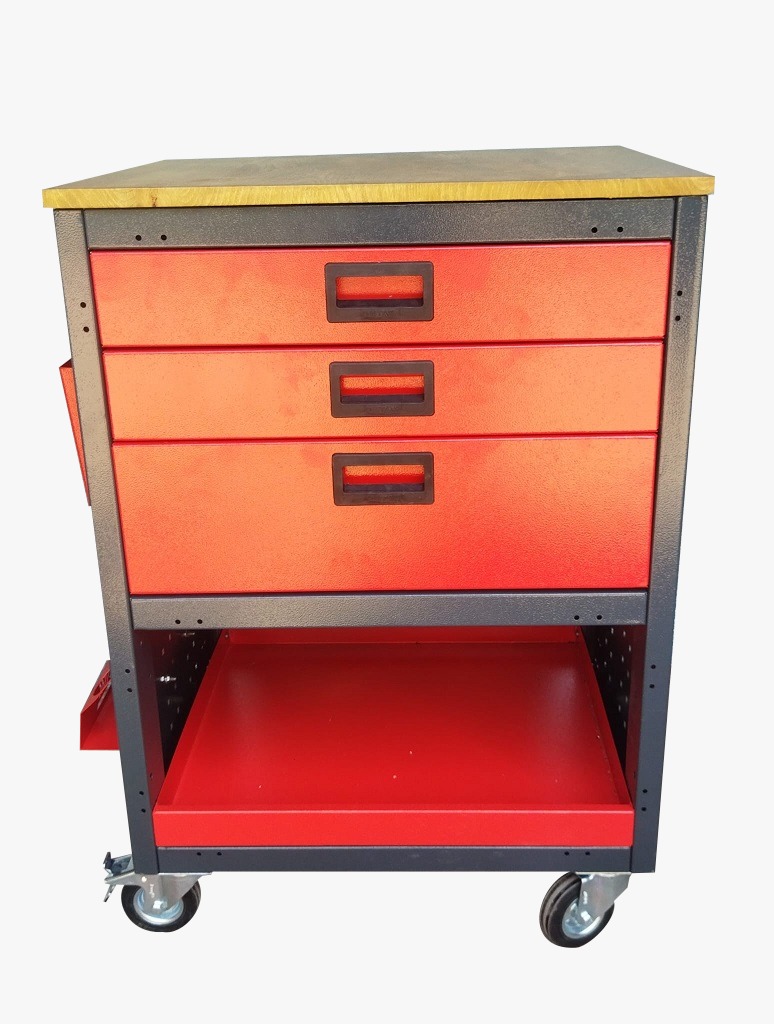
In the end, I think bench-type tool trolleys are ideal for flexible production cells because they bring together three things that modern manufacturing desperately needs in the same object, which are mobility, organization, and a usable support surface. They help tools live at the point of use, help people move less, help cells adapt faster, and help lean discipline survive real operational variation without becoming fragile. When a production cell can change without losing order, that is when flexibility stops being a slogan and starts becoming a real operational strength, and that is exactly the kind of result I associate with Detay Industry 🚀