

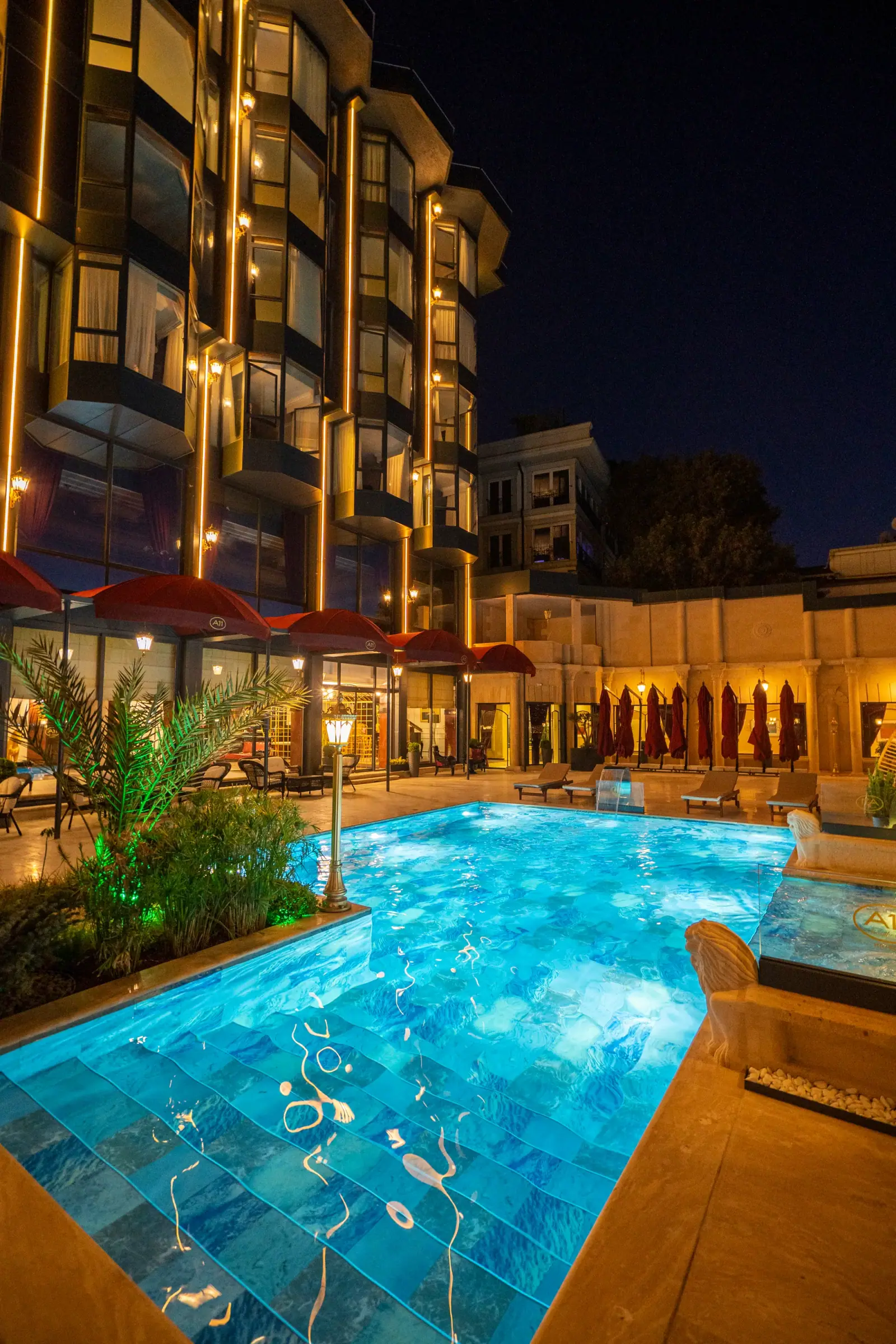
Understanding the actual challenge behind winter outdoor jacuzzi design
The water surface, exposed cabinet and connected pipework each lose heat at different rates. Wind accelerates surface loss while freezing conditions threaten small water-filled components, especially if circulation stops and the insulation envelope has hidden gaps. It helps to distinguish capacity from usable performance. 📊 A piece of equipment might technically reach a certain output yet struggle to deliver it quietly, economically or safely when other components are running. Before choosing a model, I would describe the comfortable operating range, the expected peak demand and the actions the system should take when conditions move outside that range. This is how specifications become a reliable daily experience rather than an optimistic estimate. For anyone mapping the wider decision, the ideas behind Turkish bath construction can also reveal what depends on this particular technical choice and what should be dealt with elsewhere in the project.
I use the guidance in CDC, Preventing Legionella in Hot Tubs as a reference point, with an important distinction: CDC stresses that hot tubs need frequent disinfectant and pH checks, since warm water and aerosol exposure can create additional health risks. The detailed specification still has to reflect the real property, applicable local requirements and the particular product documentation. The technical principle helps frame the question; a local survey and measured conditions supply the final answer. 📚
What I would verify before a final specification
I would review the local design temperature, equipment freeze-protection settings, slab drainage, snow load on the approved cover, electrical isolation, safe access paths and how quickly a service technician can reach the cabinet. The installation must satisfy the specific equipment manufacturer’s winterisation guidance. A realistic maintenance routine starts with tasks people will actually perform, supported by periodic professional work for the more complex jobs. 🗓️ I prefer a short checklist with clear responsibilities, because vague instructions such as ‘inspect regularly’ are easy to forget. When someone knows what to check, what a normal reading looks like and whom to contact if it changes, a technically complicated installation becomes much easier to manage. If a construction team is evaluating swimming pool chemicals, I would insist that those details appear on coordinated drawings instead of accepting them as verbal promises. 🔍
My practical process is to ask for the client’s normal routine, define the expected peak or abnormal condition, check the physical constraints and write down who is responsible for each interface. This matters because a mechanical contractor may optimise a machine, an architect may optimise the view and the owner may focus on comfort, while the final result depends on all three priorities fitting together. I would invite the team to clarify what happens at startup, shutdown, routine use and service rather than looking only at full-power operation. A discussion of swimming pool heat pumps can be useful here when the surrounding pool or wellness programme has not yet been fixed.
Comparing the realistic alternatives
A portable insulated spa may be easier to commission than a fully custom outdoor hydromassage basin, while a custom structure gives more architectural freedom at the price of higher design coordination. Total cost includes standby energy and protection during absence. My preferred comparison uses the same assumptions for all choices and separates what is easy to see from what becomes important after a few years. I would ask whether an option is easy to inspect, whether a competent service team can obtain parts and whether the owner will actually use the promised controls. The cheapest option on paper may or may not be the cheapest one to operate; similarly, a premium product is valuable only when it solves the client’s real problem.
| Decision path | Where it can make sense | What I would verify |
|---|---|---|
| Insulation envelope | Cabinet, piping and cover continuity | Reduced standby heat loss |
| Freeze protection | Power failures can freeze small components | Manufacturer-approved emergency procedure |
| Snow and drainage | Winter load and water runoff | Certified cover limits and clear service access |
There is no universal winner in that table. The choice also depends on the relationship between steam room construction and robotic pool cleaners, especially if the broader property combines swimming, heating, treatment or wellness functions. ✅ I would ask bidders to state the design conditions behind their claims in a single comparable format and to identify anything excluded from their prices, since some major variations arise from the structure and installation rather than the component itself.
from the sketch to an operating plan
Imagine a mountain property where the owners visit only on winter weekends. I would specify remote fault alerts as a convenience, arrange local inspection after power failures and confirm a manufacturer-approved drain-down procedure if long closures are planned. This is an illustrative decision exercise, not a substitute for detailed engineering. When I discuss it with a homeowner, I show the assumptions openly so they can change the important ones rather than being given a confident answer based on a hidden estimate. 📏

For Çilek Havuz, the starting point of that kind of discussion is a practical brief containing a dimensioned plan, the intended use, a list of operating priorities and any existing equipment that must remain in service. I would then ask the design team to draw two workable alternatives, not simply two price points, and explain what changes in access, control and running requirements between them. That approach lets a family or facility manager weigh the everyday experience alongside the first construction invoice. It also makes any assumption about swimming pool equipment easier to challenge before work becomes expensive to change.
Mistakes I would actively try to prevent
Closing every vent to preserve warmth can damage equipment that relies on airflow. A thick-looking cover is also not necessarily safe under heavy snow, so the approved load limits and routine snow-management plan must be checked. Good documentation prevents small operating changes from turning into unexplained faults. If a pump schedule, chemical controller or heating setting changes, I would want the reason and the new baseline recorded. 📝 That discipline can sound excessive for a private home, but even a short one-page log helps distinguish a normal seasonal shift from a developing problem that deserves inspection. I would also review how swimming pool maintenance could interact with this particular fault, since an apparently unrelated system change can alter the way the overall installation performs.
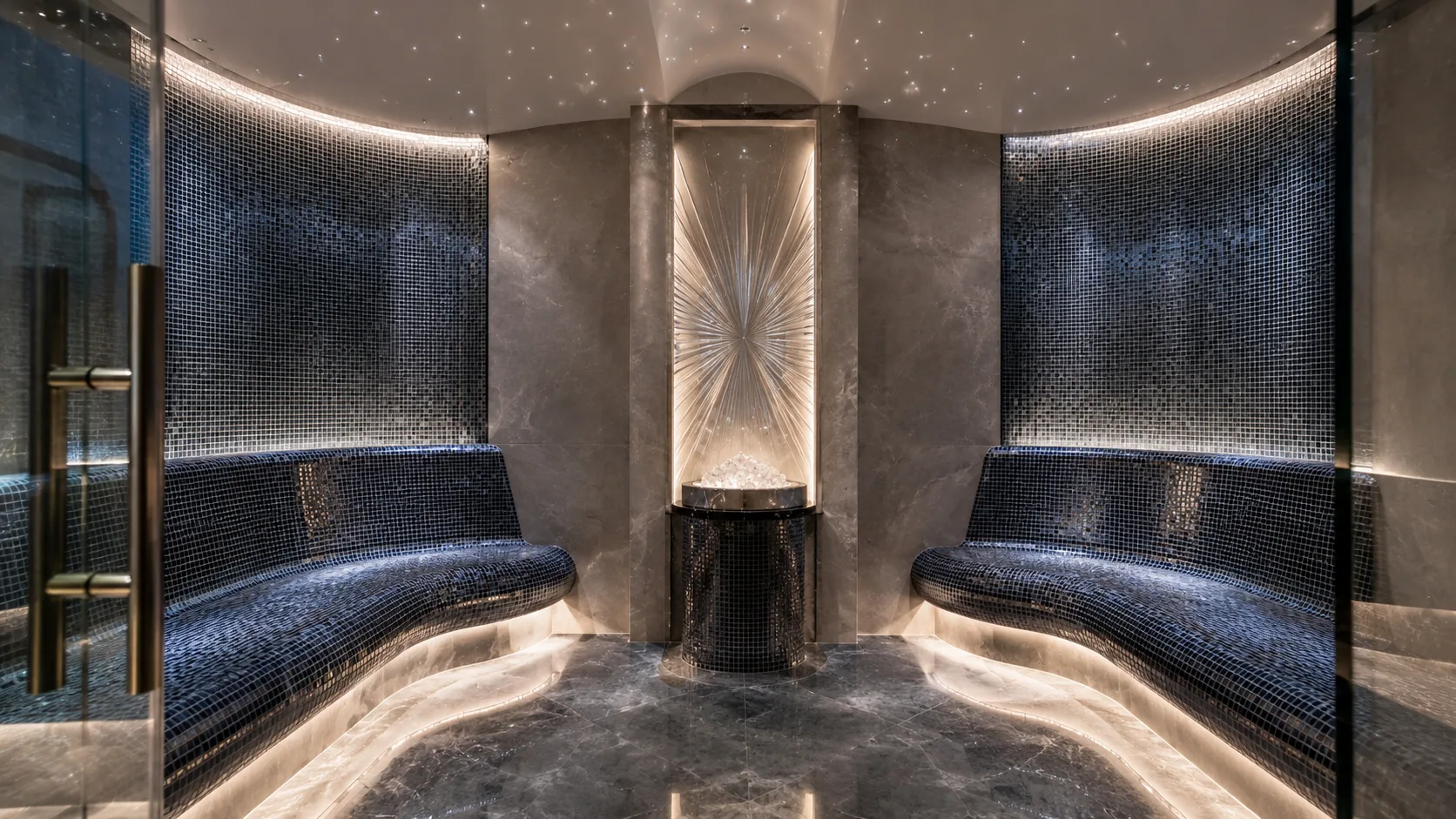
My checklist for the construction stage would include an agreed sequence for testing, photographs of concealed work, verification of the correct product model and clear sign-off from the responsible trades. I would not allow a successful demonstration in one operating mode to stand in for all necessary checks. If a safety function depends on electrical controls, suction protection or chemical feed, it should be independently confirmed by qualified personnel under the relevant rules. 🛡️ That diligence costs less than removing finished work to correct a preventable coordination problem.
How I would judge the budget and long-term value
The lifetime cost often matters more than the first invoice. 📉 Electricity, water, routine testing, replacement parts and occasional specialist visits form part of the ownership picture, yet they are easy to omit when people compare quotes. I would use realistic annual operating assumptions, check which parts are proprietary and find out whether service can be provided locally before accepting an apparently attractive deal. I also encourage owners to explore villa swimming pools as part of the broader planning conversation, because a good project budget should include both the visible experience and the hidden infrastructure that supports it.
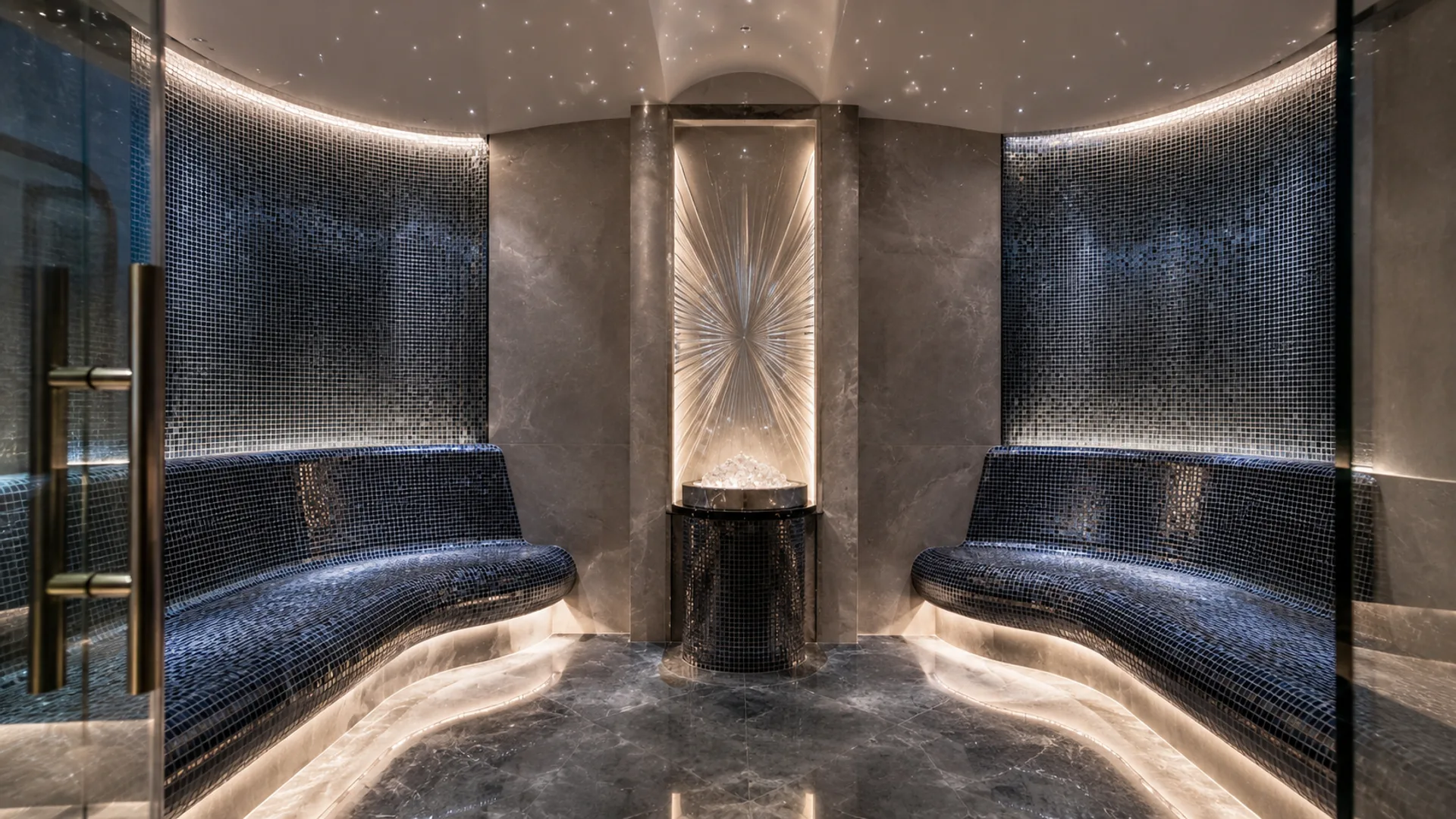
Çilek Havuz can be evaluated more fairly when every proposal uses the same scope of work and makes service commitments explicit. A responsible quotation should distinguish essential technical provisions from optional design upgrades, identify commissioning tasks and clarify what happens if the site conditions differ from the early drawings. I would pay particular attention to warranties that depend on water chemistry, electrical conditions, cleaning methods or approved consumables, because those details shape what ownership will really require. 💡
Operation, testing and practical maintenance
I would monitor standby energy, gasket condition, water temperature and freeze alarms during the first cold season. Good winter performance comes from the entire envelope and operating plan, not only a heater rating. I always reserve space for maintenance in the first drawings, because a technician should not have to break finished stone or remove unrelated pipes simply to reach a sensor, valve or service panel. 🧰 Clear labels and isolation points reduce the time needed to understand a fault, while a clean dry access route makes regular inspection more likely to happen. These requirements are less glamorous than the visible finish, but they often determine how satisfied owners feel after several years. When the entire aquatic installation also includes swimming pool pumps, I would coordinate servicing so that separate systems do not work against one another.
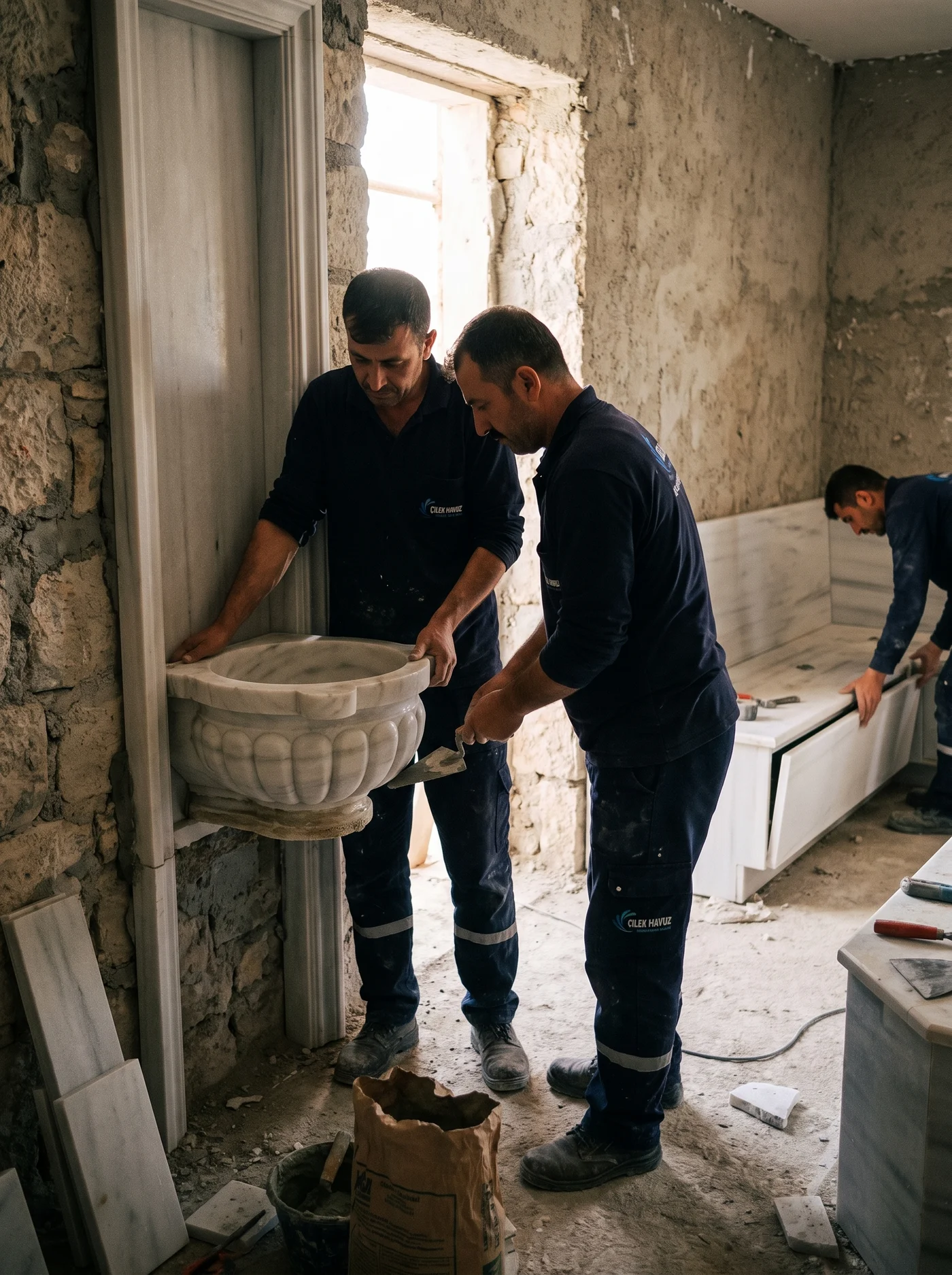
U.S. Department of Energy, Consumer Pool Heaters adds a useful second perspective: The U.S. Department of Energy distinguishes heater efficiency from total operating cost and treats equipment capacity and energy performance as important purchase criteria. I would treat such guidance as a basis for responsible questions while checking the specific local regulations and the manufacturer instructions that apply to the finished installation. That is particularly important whenever a private residential idea is adapted to a hotel, wellness centre or shared facility, where occupancy and operator duties are different. 📖
My commissioning and handover checklist
- Confirm that the installed product model, construction details and access points agree with the approved drawings, and record any necessary change before it is concealed.
- Test normal operation, peak demand, restart after a planned stop and the response to a relevant fault, using the equipment manufacturer’s safe procedures.
- Record useful baseline measurements such as water condition, flow, temperature, noise, pressure or energy use according to which variables actually matter for this installation.
- Give the owner a plain-language control guide, clear responsibility for maintenance and contact details for qualified service assistance.
- Verify that the required safety, hygiene and protection measures have been checked by the responsible professionals and are not being treated as optional extras.
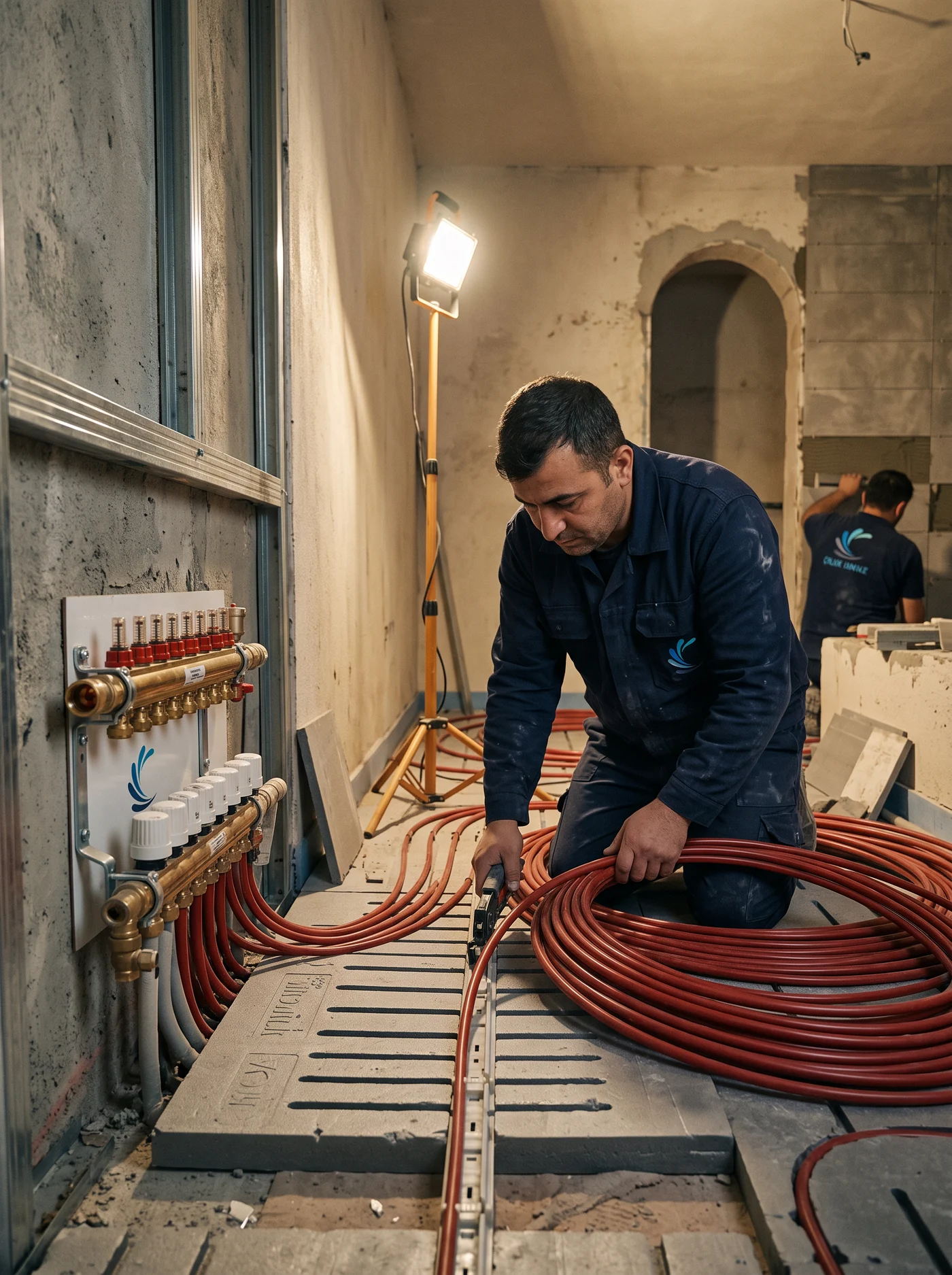
I would then schedule one realistic review after ordinary use begins, because an installation can behave differently when guests, sunlight, seasonal weather and maintenance schedules enter the picture. A small adjustment at that stage may improve comfort substantially, while a fault caught early may prevent a larger interruption later. For readers considering related options, sauna prices is another useful design conversation, provided its requirements are considered independently rather than simply added to an already crowded technical specification.
Seeing the project in context
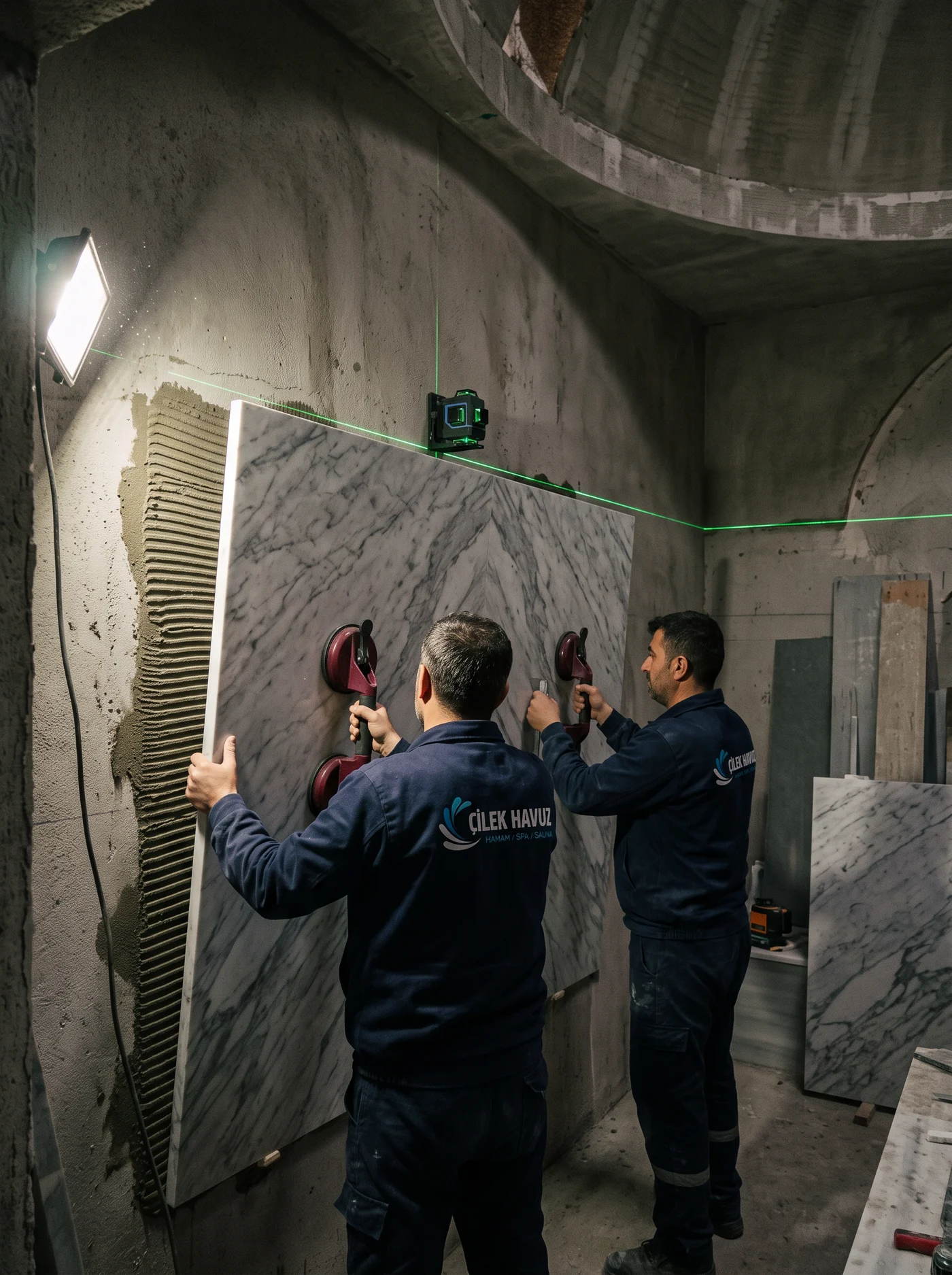
In a design conversation with Çilek Havuz, I would also want the team to review the wider project references and the exact constraints of the installation location rather than treat a single photograph as a construction specification. This provides useful context for discussing material choices, access paths and the expectations of the people who will use the space.
I enjoy looking at real installation references because they help turn an abstract technical discussion into questions about access, proportion, surfaces and how guests move through the space. 🌍 The project location and a short video can provide helpful visual context, but they cannot by themselves confirm the concealed construction or the performance of an individual component. I would always ask for project-specific documentation when making a purchase or engineering decision.
Closing thoughts
My favourite outcome is an installation that quietly supports the experience people came for, whether that means swimming, unwinding or welcoming guests. 🌿 A little more attention to operating conditions, access and clear documentation during design can avoid years of irritation. The reward is not only a beautiful finished space but also one whose behaviour remains understandable and dependable. For me, the lasting value of a project such as this is not an impressive specification that no one understands; it is a carefully coordinated design whose important assumptions and limits are clear. Çilek Havuz is one possible starting point for discussing those choices in the setting of a wider swimming pool or wellness project. I would want the final decision to be backed by a suitable site review, truthful product data and a maintenance plan that can actually be followed.

